
What Is On-Page SEO? And How to Does It
WHAT IS ON-PAGE SEO?
On-page SEO is the process of optimizing individual web pages so they rank higher in search engines and attract more relevant traffic.
It focuses on everything you can control directly on your website — like your content, keywords, headings, images, and overall page structure.
Key Elements of On-Page SEO
- Content quality – helpful and relevant information
- Keywords – used naturally in content
- Title & meta description – optimized for clicks
- Headings (H1, H2, H3) – proper structure
- Images – optimized with ALT text
- Internal links – connecting your pages
- Page speed & mobile-friendly design
WHY IS ON-PAGE SEO IMPORTANT?
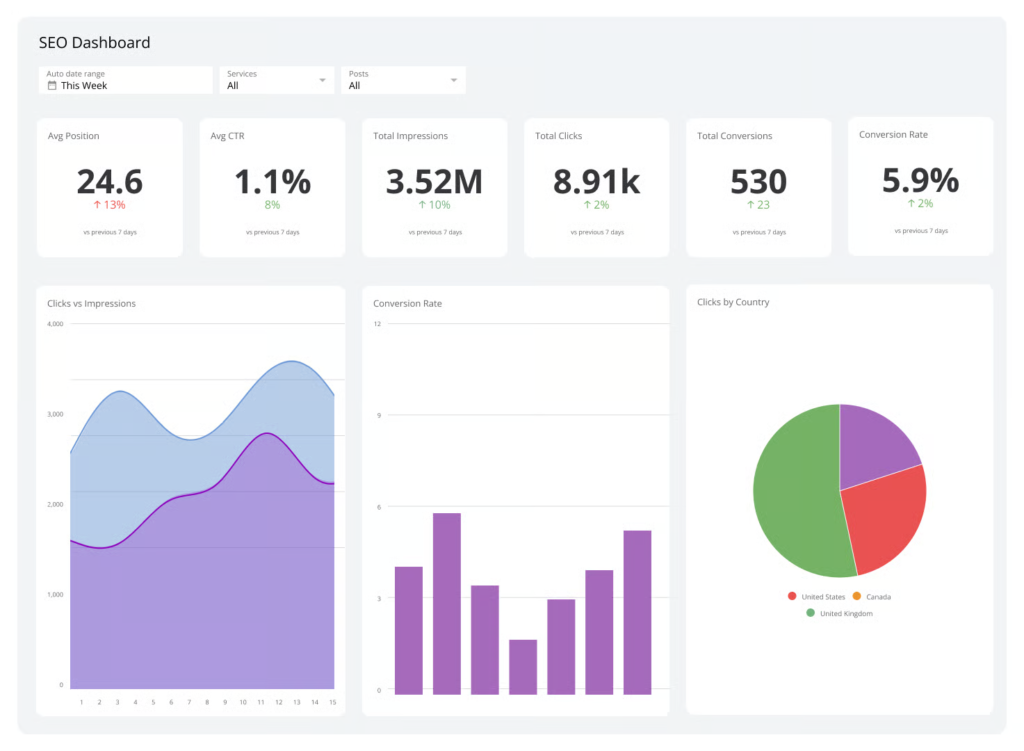
On-page SEO is important because it helps search engines clearly understand what your content is about and ensures that it reaches the right audience. When your page is properly optimized with relevant keywords, clear headings, and a structured format, it becomes easier for search engines to crawl and rank it. At the same time, it improves the overall user experience by making your content more readable, faster to load, and easier to navigate.
A well-optimized page not only increases your chances of ranking higher on Google but also attracts more relevant visitors who are actually interested in your content. This leads to better engagement, longer time spent on your website, and higher click-through rates. In the long run, on-page SEO builds a strong foundation for consistent traffic and helps your website grow organically without relying only on paid methods.
On-Page SEO vs. Off-Page SEO
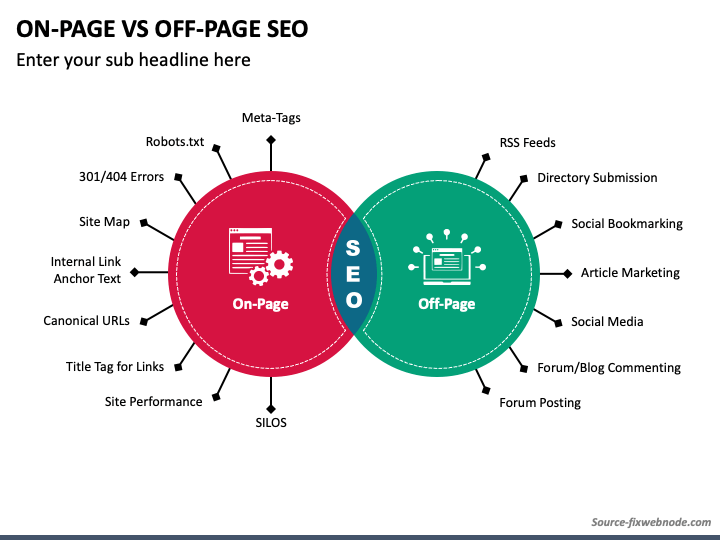
On-page SEO and off-page SEO are both essential parts of improving your website’s ranking, but they focus on different areas. On-page SEO includes everything you optimize within your website, such as content, keywords, headings, and user experience. Off-page SEO, on the other hand, focuses on external factors like backlinks, brand mentions, and overall website authority. In simple terms, on-page SEO helps search engines understand your content, while off-page SEO builds trust and credibility for your website.
On-Page SEO Checklist: 11 Essential Tweaks for Higher Rankings
If you want your website or blog to rank higher on Google, focusing on on-page SEO is essential. It’s not about one single change, but a combination of small improvements that make your content more useful, structured, and easy to understand. When done properly, these tweaks help both users and search engines connect with your content.
1. Use the Right Keywords
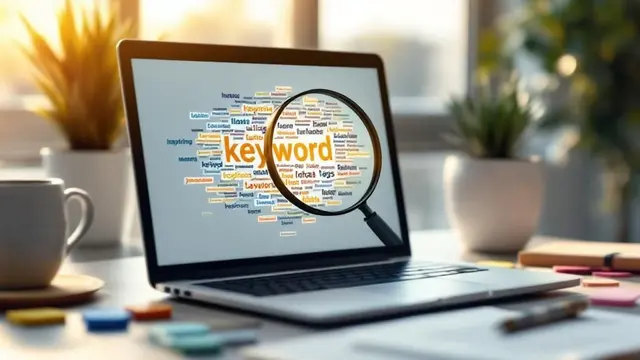
Everything in SEO starts with keywords. Before writing your content, you need to understand what your audience is searching for. Instead of targeting very broad and competitive keywords, it’s always better to go for long-tail keywords that are more specific and easier to rank. These keywords also bring more targeted traffic, which means users are more likely to stay on your site.
Once you have your keyword, use it naturally throughout your content — in the title, introduction, headings, and body. But always remember, your content should feel natural and readable. Overusing keywords can make your content look spammy and negatively affect your rankings.
2. Optimize Your Title Tag
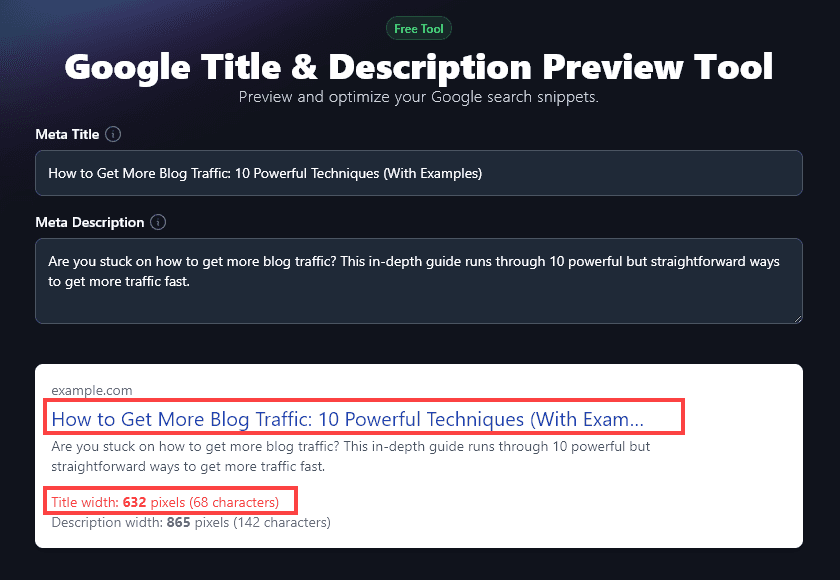
Your title tag plays a huge role in both SEO and user behavior. It’s the first thing people see on search engine results, and it directly affects whether they click on your link or not. A good title should clearly explain what your content is about while also being engaging.
Try to include your main keyword at the beginning of the title and keep the length between 50–60 characters. Adding numbers, benefits, or power words can also make your title more attractive and clickable.
3. Write a Strong Meta Description
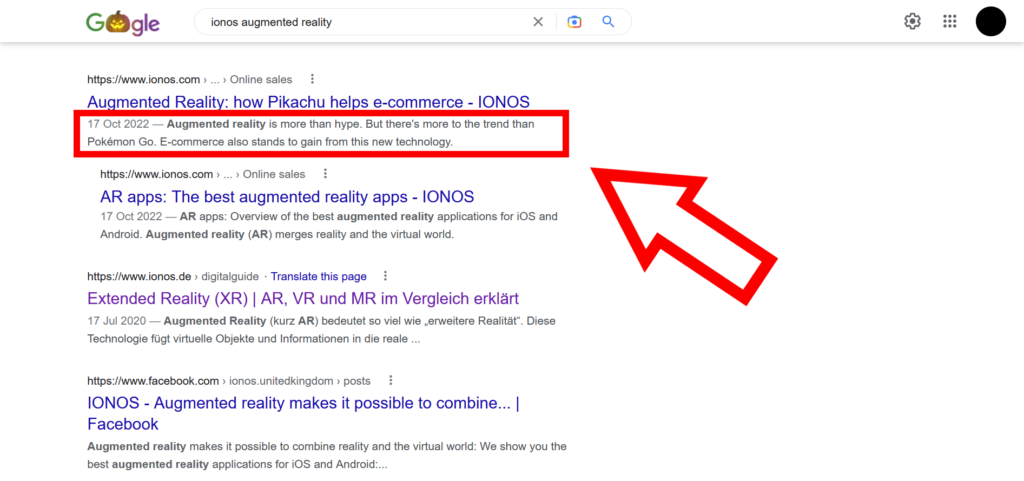
A meta description acts like a short summary of your page. Even though it doesn’t directly impact rankings, it can significantly improve your click-through rate. A well-written meta description should be clear, simple, and persuasive.
Keep it within 150–160 characters, include your keyword, and highlight what the user will gain by clicking your link. Think of it as a small pitch that convinces users to visit your page instead of others.
4. Use Proper Headings (H1, H2, H3)
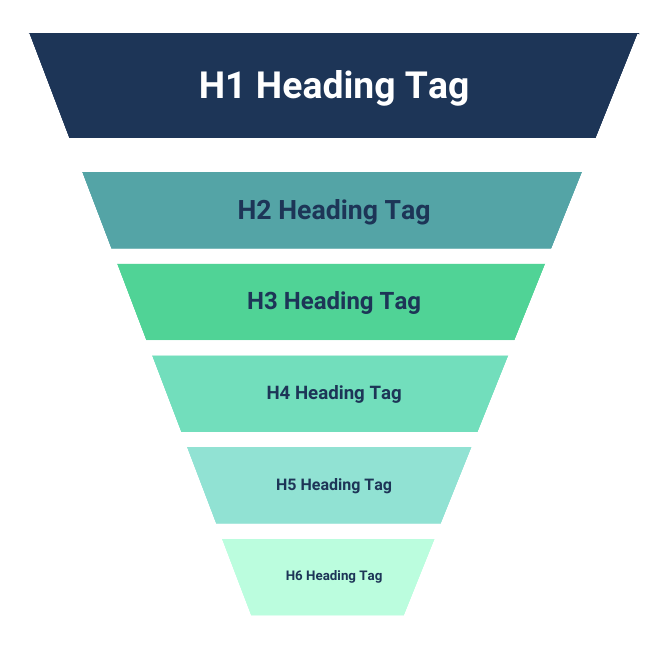
A well-structured article is easier to read and understand. Headings help break your content into sections and guide readers through your article. Use one H1 tag for your main title, H2 for main sections, and H3 for sub-points.
This not only improves readability but also helps search engines understand the structure of your content. Proper heading usage can even increase your chances of appearing in featured snippets on Google.
5. Keep URLs Clean and Simple
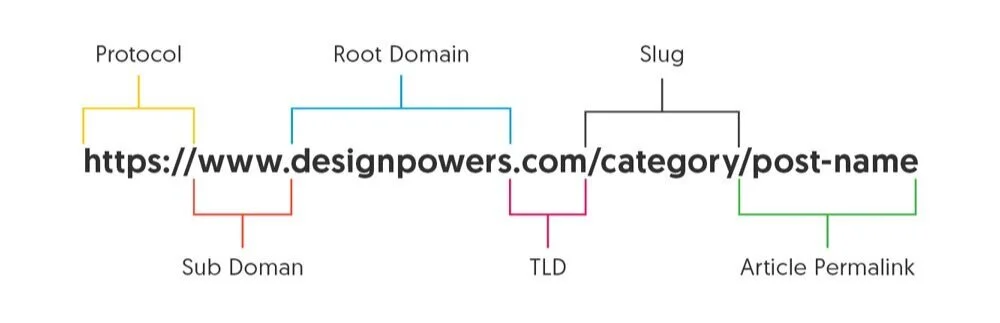
Your URL should be short, clear, and meaningful. A clean URL makes it easier for users and search engines to understand what your page is about. Avoid using long strings, numbers, or unnecessary characters.
Instead, include your main keyword and keep it simple. For example, a URL like yourwebsite.com/on-page-seo-checklist is much better than a complicated one with random numbers.
6. Focus on High-Quality Content

Content is the most important part of on-page SEO. No matter how well you optimize your page, if your content is not helpful, it won’t rank. Your goal should always be to solve the user’s problem and provide clear, valuable information.
Write in simple language, keep your paragraphs short, and avoid unnecessary complexity. The more useful and engaging your content is, the longer users will stay on your page — which is a positive signal for search engines.
7. Optimize Images
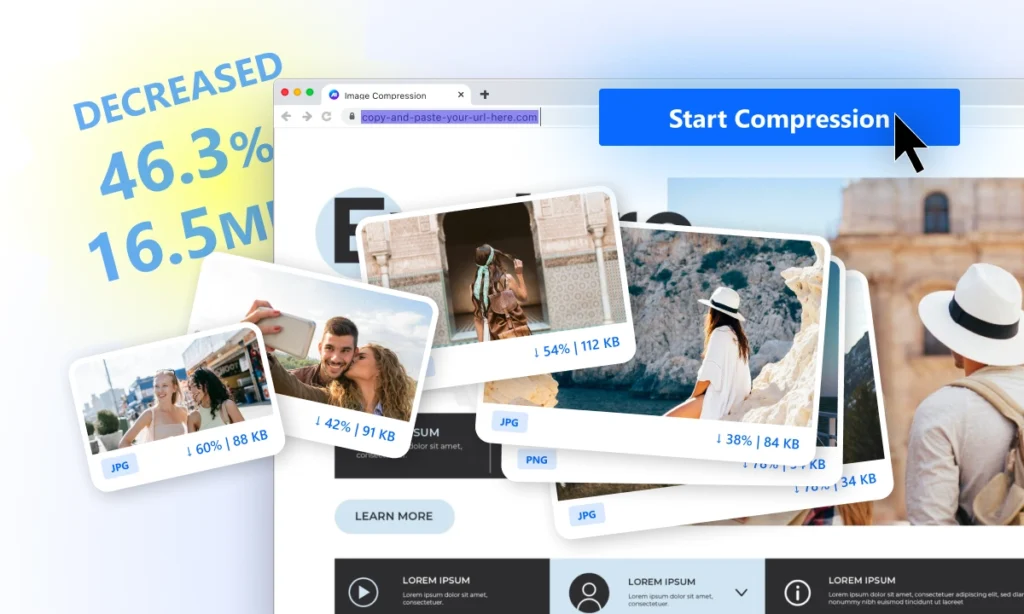
Images make your content more attractive and easier to understand, but they also need proper optimization. Always use descriptive file names and add alt text so search engines can understand what the image is about.
At the same time, make sure your images are compressed so they don’t slow down your website. Optimized images improve both SEO and user experience.
8. Add Internal Links
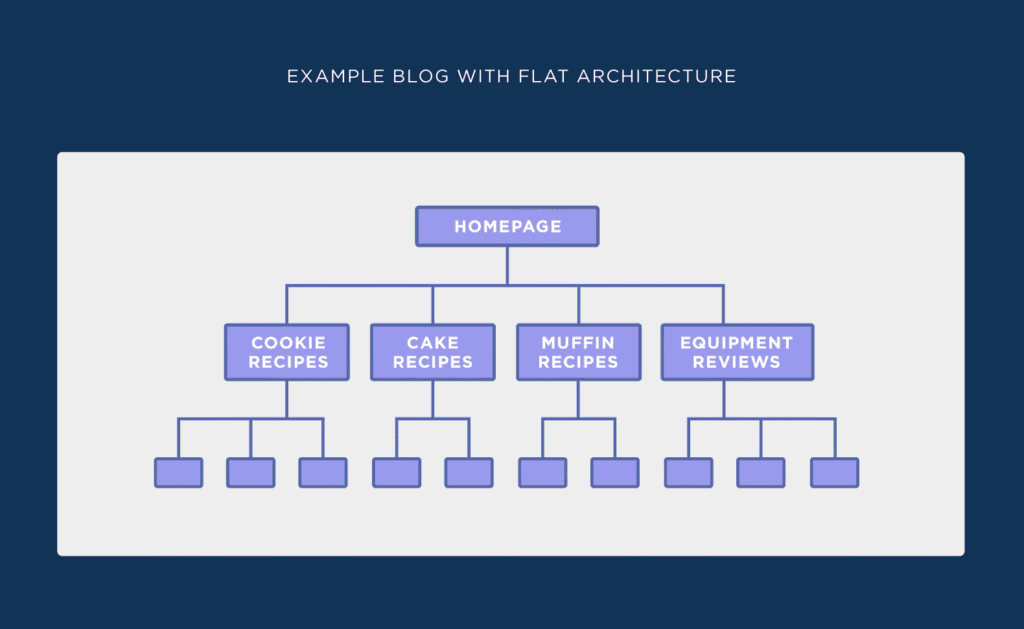
Internal linking is a simple but powerful SEO technique. It helps connect different pages of your website and makes navigation easier for users. When you link to other relevant pages, users are more likely to explore your site further.
It also helps search engines crawl your website more efficiently and understand the relationship between your pages. Always use internal links naturally and only where they make sense.
9. Improve Page Speed
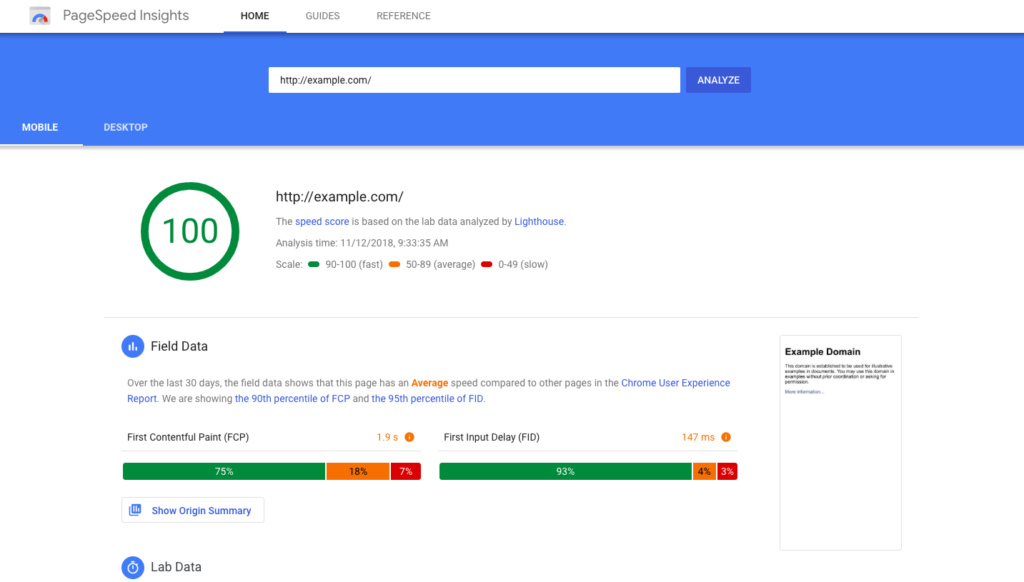
Page speed is a critical factor for both user experience and SEO. A slow-loading website can frustrate users and cause them to leave quickly, which increases your bounce rate.
You can improve your page speed by compressing images, reducing unnecessary scripts, and using a reliable hosting provider. A faster website keeps users engaged and improves your chances of ranking higher.
10. Make Your Site Mobile-Friendly
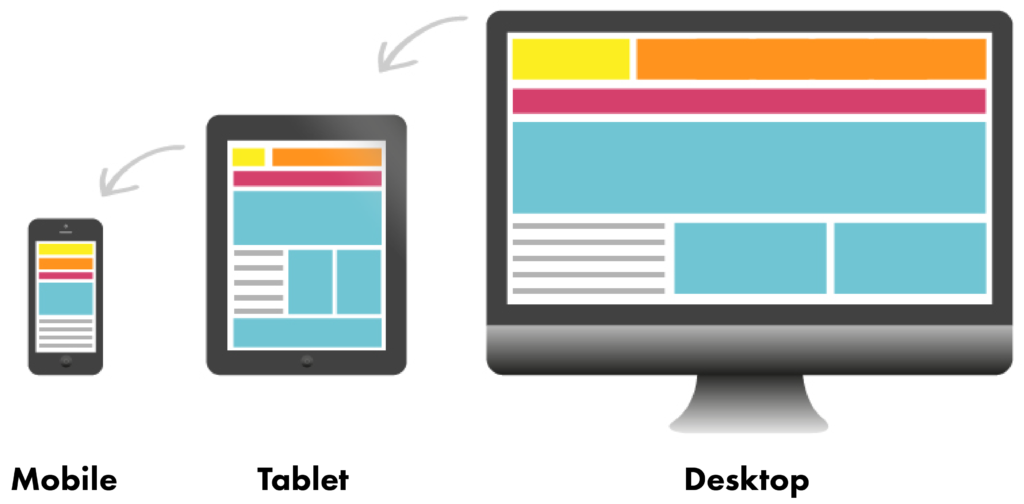
Today, most users access websites through their mobile devices. If your website is not mobile-friendly, you’re likely losing a large portion of your audience.
Make sure your site is responsive, loads quickly on mobile, and is easy to navigate. Google also uses mobile-first indexing, which means it primarily considers the mobile version of your site for ranking.
11. Add Schema Markup
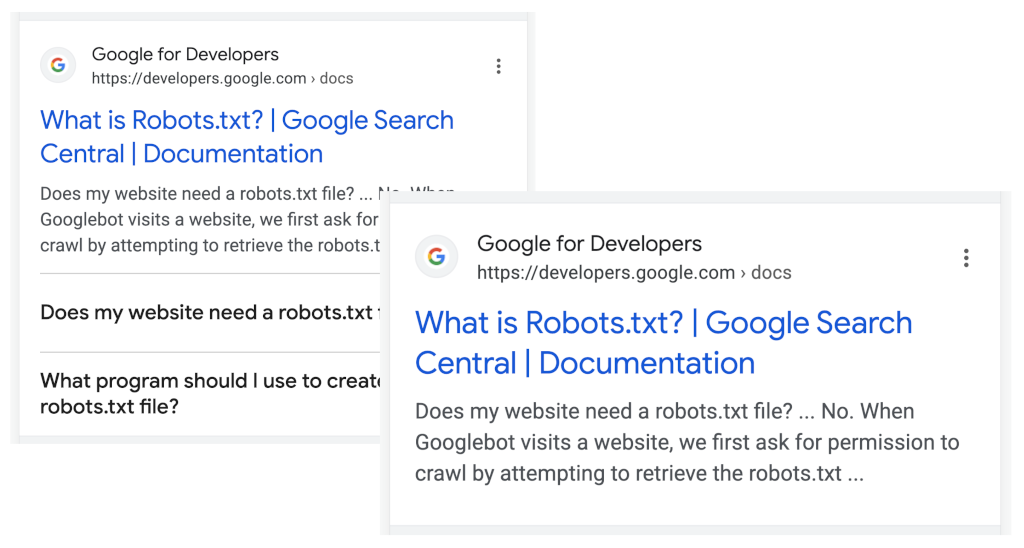
Schema markup is a type of structured data code that you add to your website to help search engines understand your content more clearly. Instead of guessing what your page is about, search engines can identify specific details like your blog title, author, images, and content type. This improves how your page appears in search results, often showing rich features like FAQs, ratings, or additional information. While schema markup is not a direct ranking factor, it plays an important role in increasing visibility, improving click-through rates, and making your website look more professional in search results.