

The Ultimate Keyword Research Guide for SEO Success (2026)
When I first started working on SEO, keyword research felt confusing. There were too many tools, too many suggestions, and honestly, no clear direction. I used to pick random keywords, write content around them, and hope it would rank — but it rarely did.
Over time, I realized something important: ranking on Google is not about writing more content, it’s about targeting the right keywords.
In this guide, I’ll walk you through the exact keyword research process that actually works — no complicated theory, just practical steps you can apply to your blog.
Introduction
Keyword research is the foundation of every successful SEO strategy. Without it, creating content becomes more of a guessing game, and ranking on search engines becomes much more difficult. When done correctly, keyword research helps you understand exactly what your audience is searching for and allows you to create content that directly matches their needs. Instead of writing randomly, you start creating content with purpose and direction.
In this guide, we’ll break down the complete keyword research process in a simple and practical way, so you can find the right keywords, create better content, and improve your chances of ranking higher on Google.
Types of Keywords in SEO
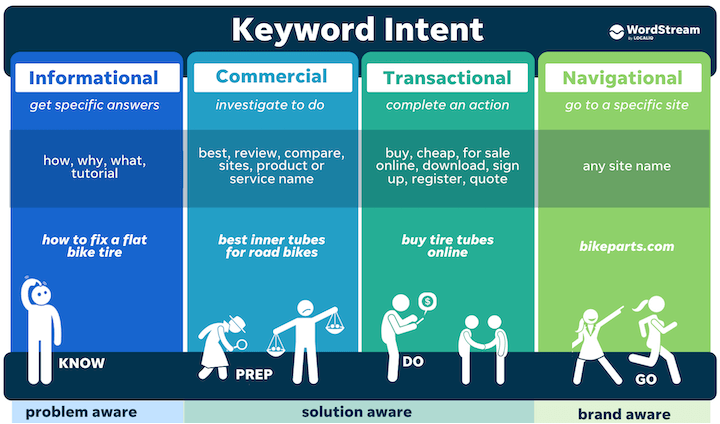
Understanding the different types of keywords is important because it helps you create content that matches what users are actually searching for. Every keyword has a different purpose — some people are looking for information, while others are ready to buy or compare options. When you understand these types, you can target the right audience and improve your chances of ranking.
1. Short-Tail Keywords
Short-tail keywords are broad search terms that usually contain one or two words, such as “SEO” or “shoes.” These keywords have a very high search volume, but they are also highly competitive, making them difficult to rank for, especially for new websites.
2. Long-Tail Keywords
Long-tail keywords are longer and more specific phrases like “best running shoes for beginners.” These keywords have lower competition and bring more targeted traffic, which means users are more likely to find exactly what they need.
3. Informational Keywords
Informational keywords are used when users want to learn something. Searches like “what is SEO” or “how to do keyword research” fall into this category. These are best targeted with blog posts, guides, and tutorials.
4. Navigational Keywords
Navigational keywords are used when users are searching for a specific website or brand, such as “Facebook login” or “Amazon website.” These searches are usually focused on reaching a particular platform.
5. Transactional Keywords
Transactional keywords indicate that the user is ready to take action, like “buy laptop online” or “SEO services price.” These keywords are important because they often lead to conversions or sales.
6. Commercial Keywords
Commercial keywords are used when users are comparing products or services before making a decision. Examples include “best SEO tools” or “Ahrefs vs SEMrush.” These users are close to purchasing but want to evaluate options first.
Keyword Research Guide
1. Understand What Keyword Research Really Means
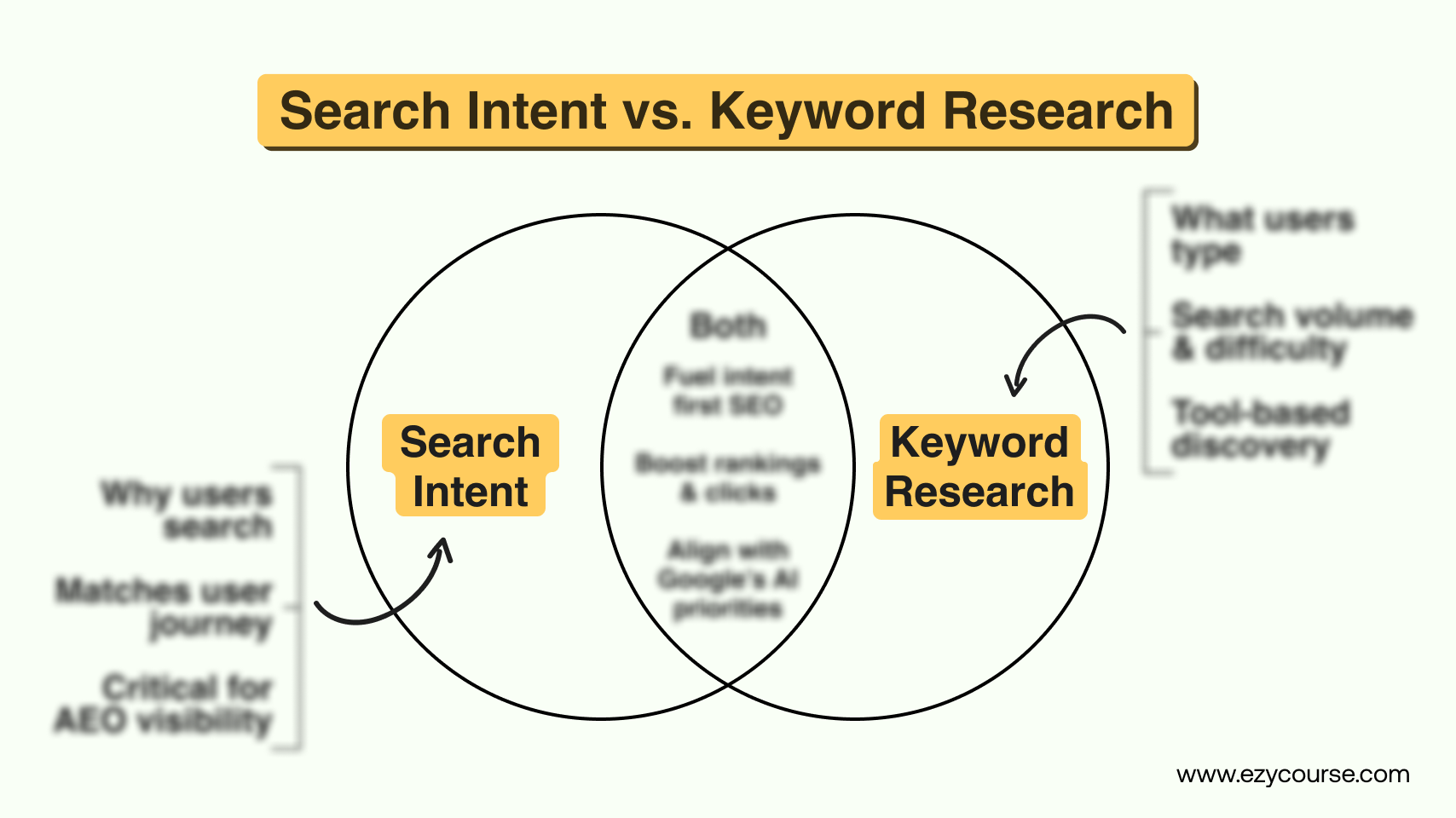

Keyword research is simply the process of finding what people are searching for on Google. But it’s not just about words — it’s about intent.
Every search has a purpose:
- Someone wants to learn
- Someone wants to buy
- Someone wants to compare
If your content matches that intent, you have a higher chance of ranking.
2. Start with Seed Keywords


Seed keywords are basic terms related to your topic.
For example:
- SEO
- Keyword research
- Blogging
From these, you can expand into more specific keywords. Think of seed keywords as your starting point — not your final target.
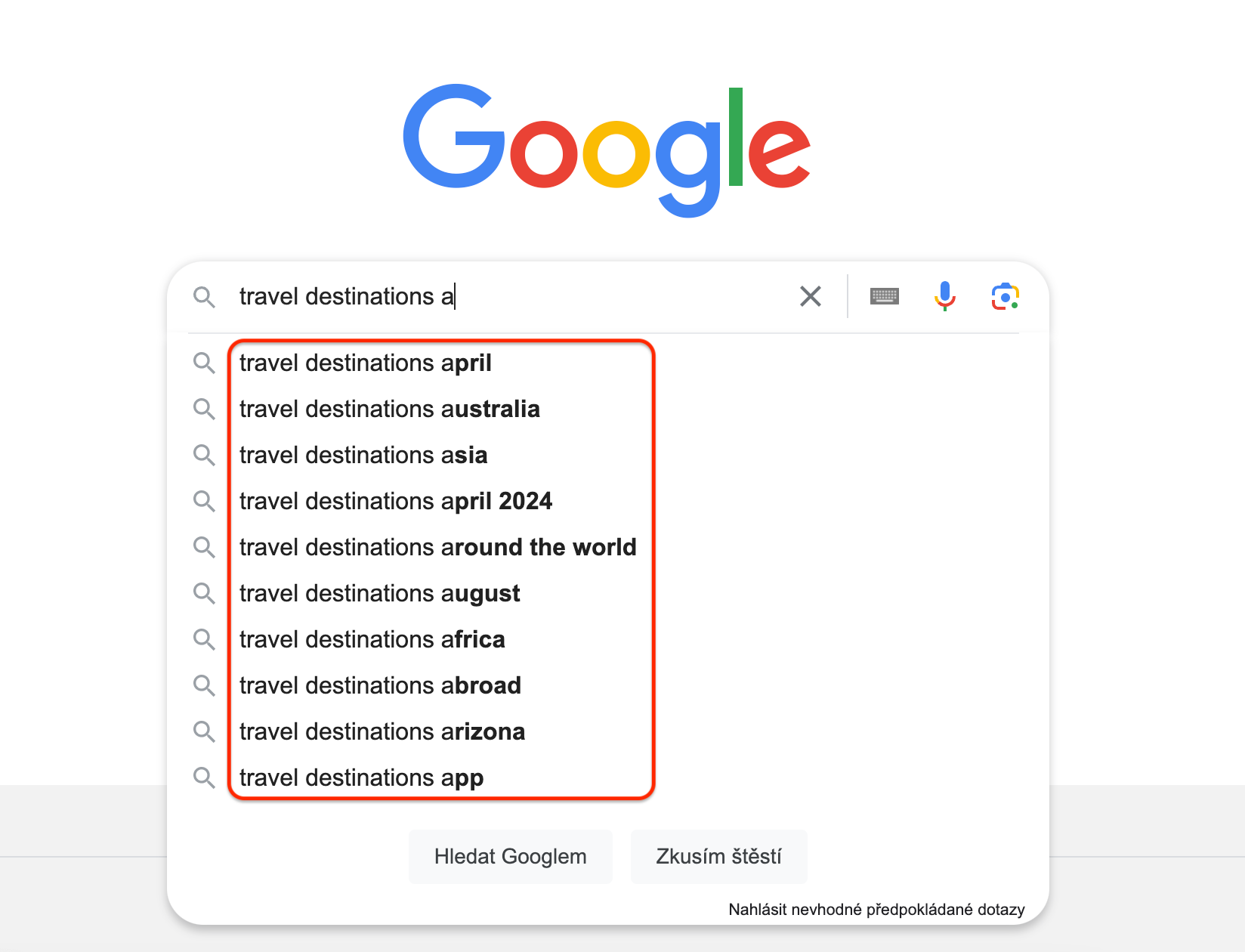
3. Use Google for Free Keyword Ideas
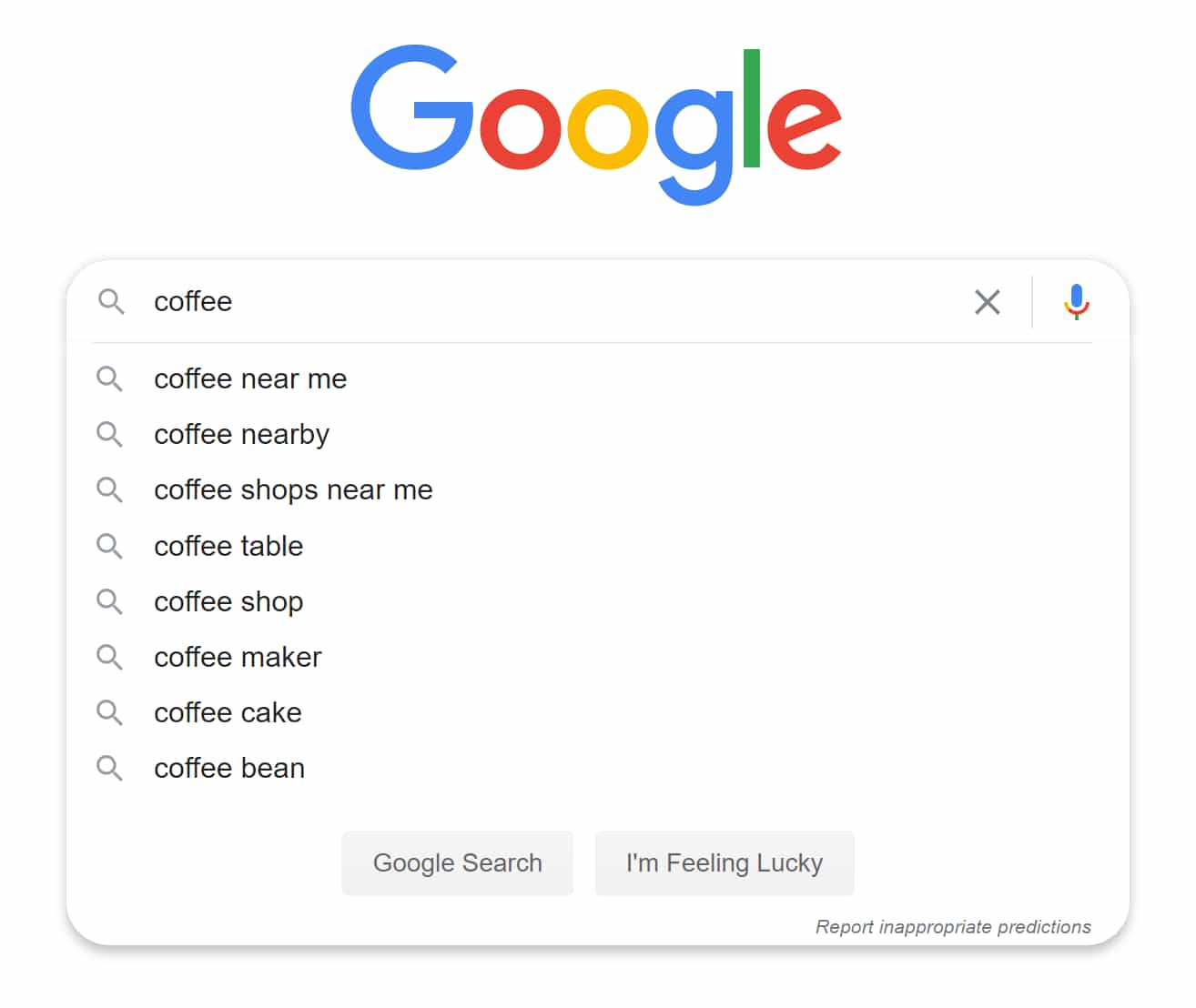
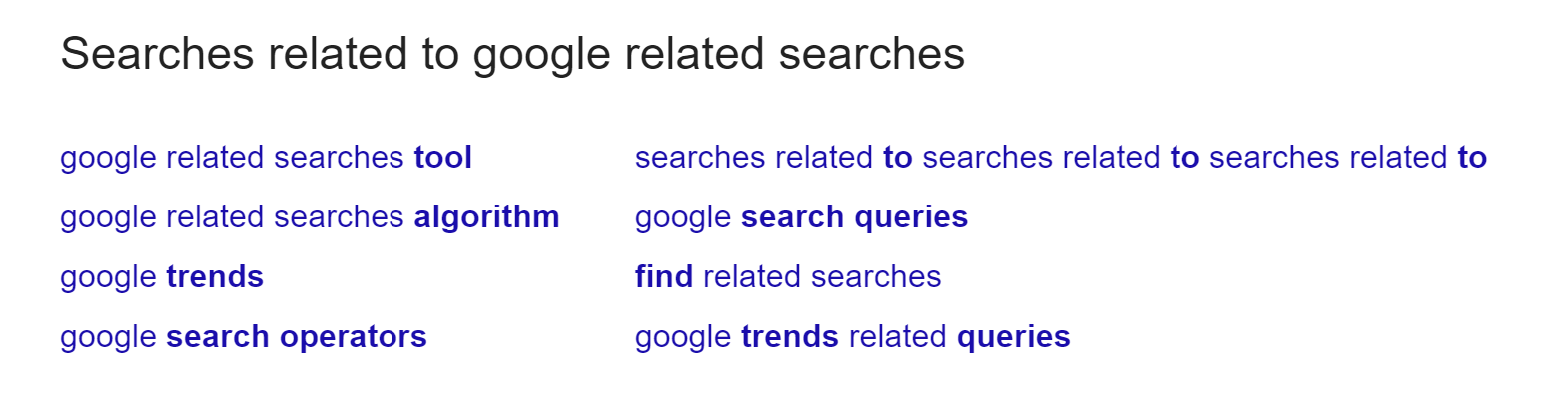
You don’t always need paid tools. Google itself is one of the best keyword research tools.
Just type a keyword and check:
- Autocomplete suggestions
- “People also ask” section
- Related searches at the bottom
These are real searches from users — which means high value.
4. Focus on Long-Tail Keywords

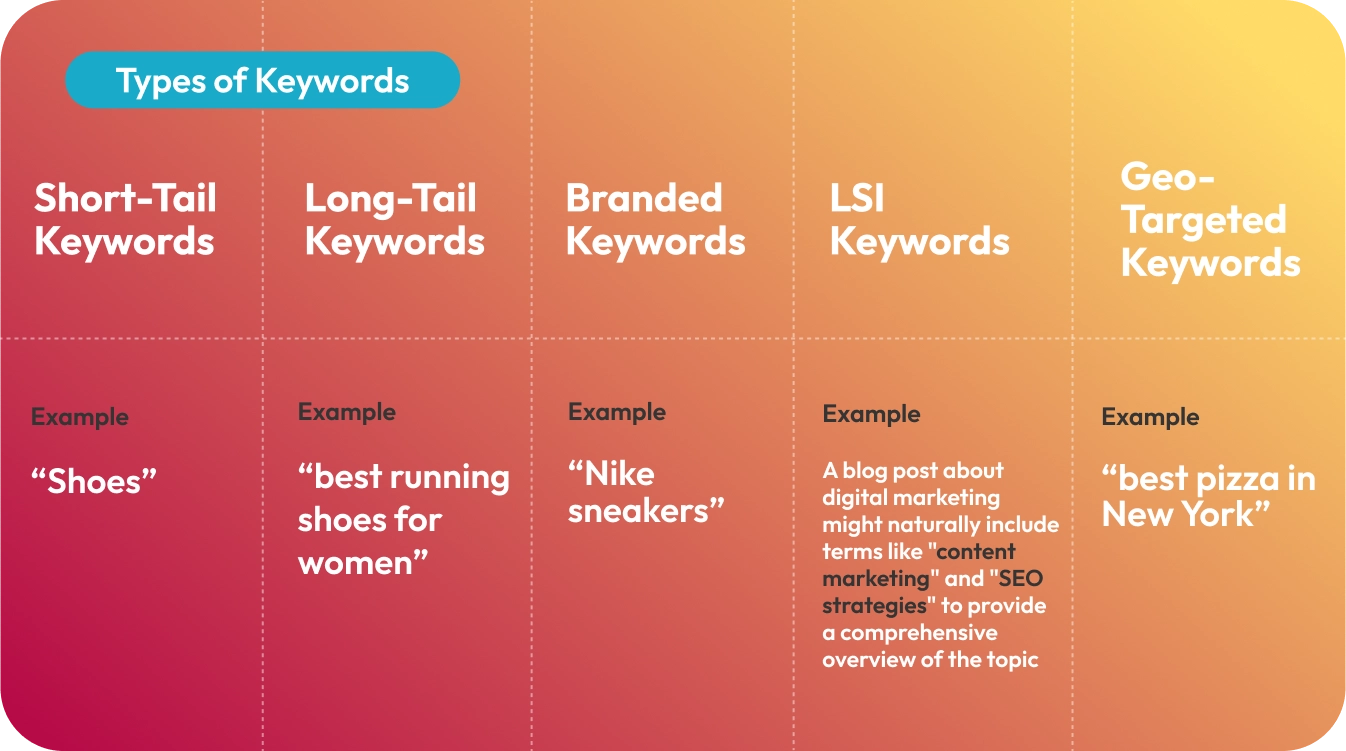
Long-tail keywords are longer, more specific phrases.
Instead of:
❌ “SEO”
Use:
✅ “keyword research guide for SEO success”
They may have lower search volume, but:
- Less competition
- Higher conversion
- Easier to rank
5. Check Keyword Difficulty & Competition
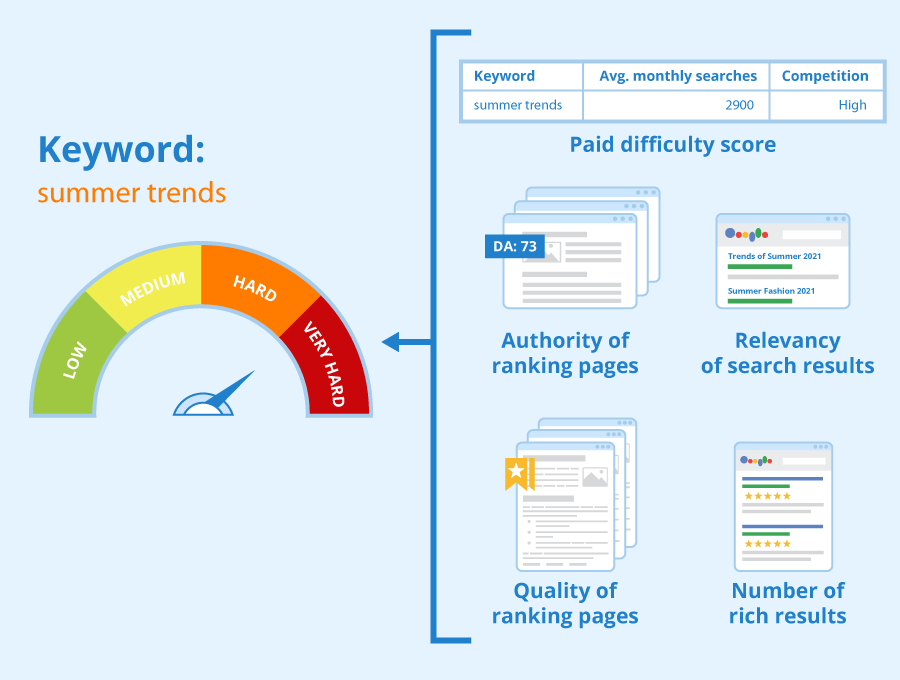
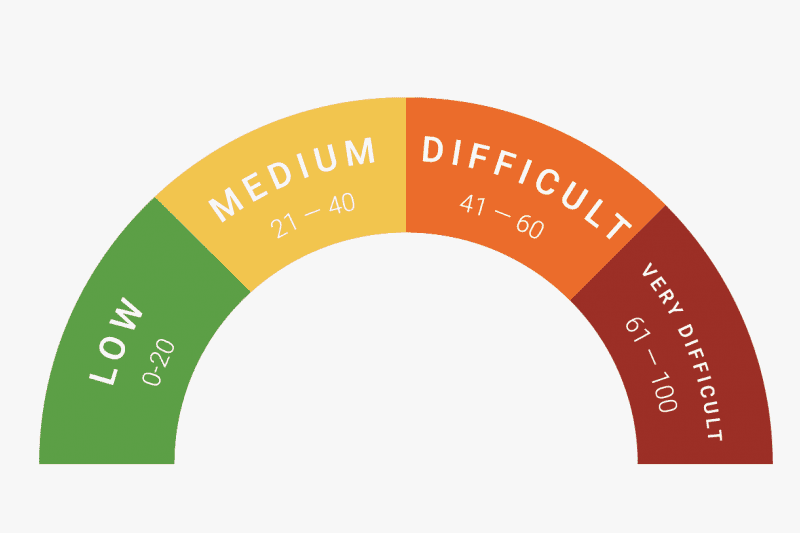
Before selecting a keyword, check how competitive it is.
If big websites are ranking, it will be harder to compete.
Focus on:
- Low to medium competition keywords
- New or less competitive topics
This gives your blog a better chance to rank faster.
6. Understand Search Intent Clearly

Search intent is the reason behind a search.
Types:
- Informational → learning
- Transactional → buying
- Navigational → finding a site
If your content doesn’t match intent, it won’t rank — no matter how optimized it is.
7. Analyze Your Competitors

Search your keyword on Google and study top-ranking pages.
Check:
- What type of content they wrote
- How long the content is
- Which keywords they used
Don’t copy — understand what works and improve it.
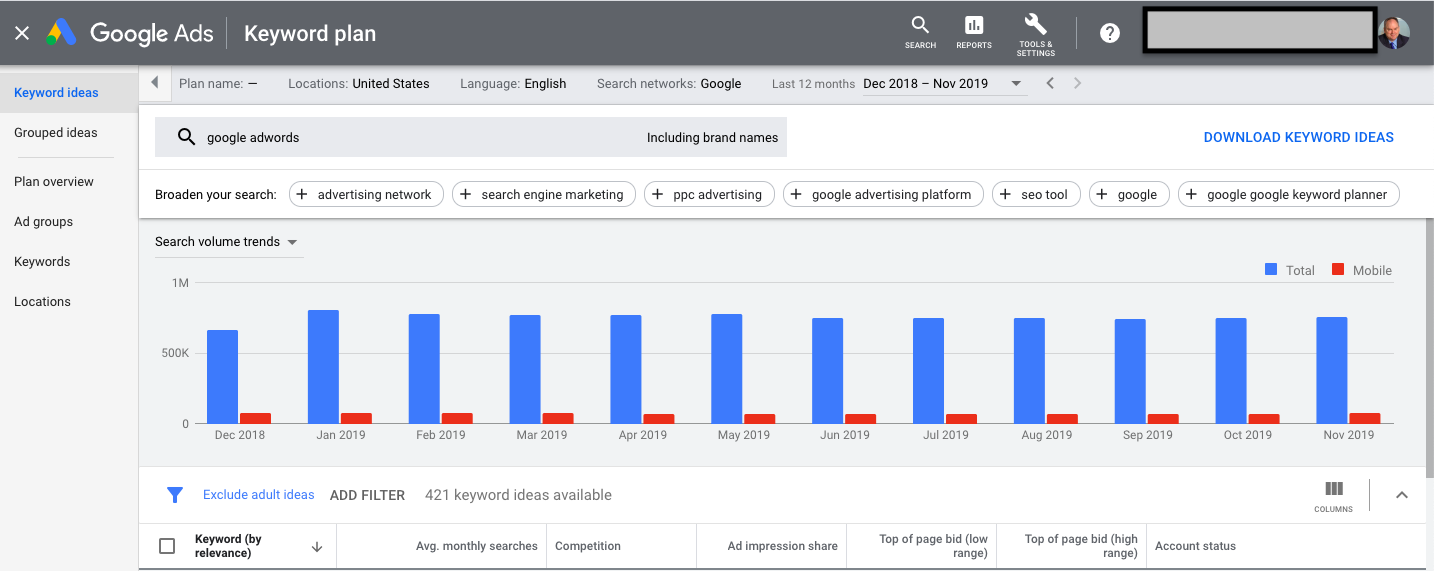
8. Use Keyword Research Tools

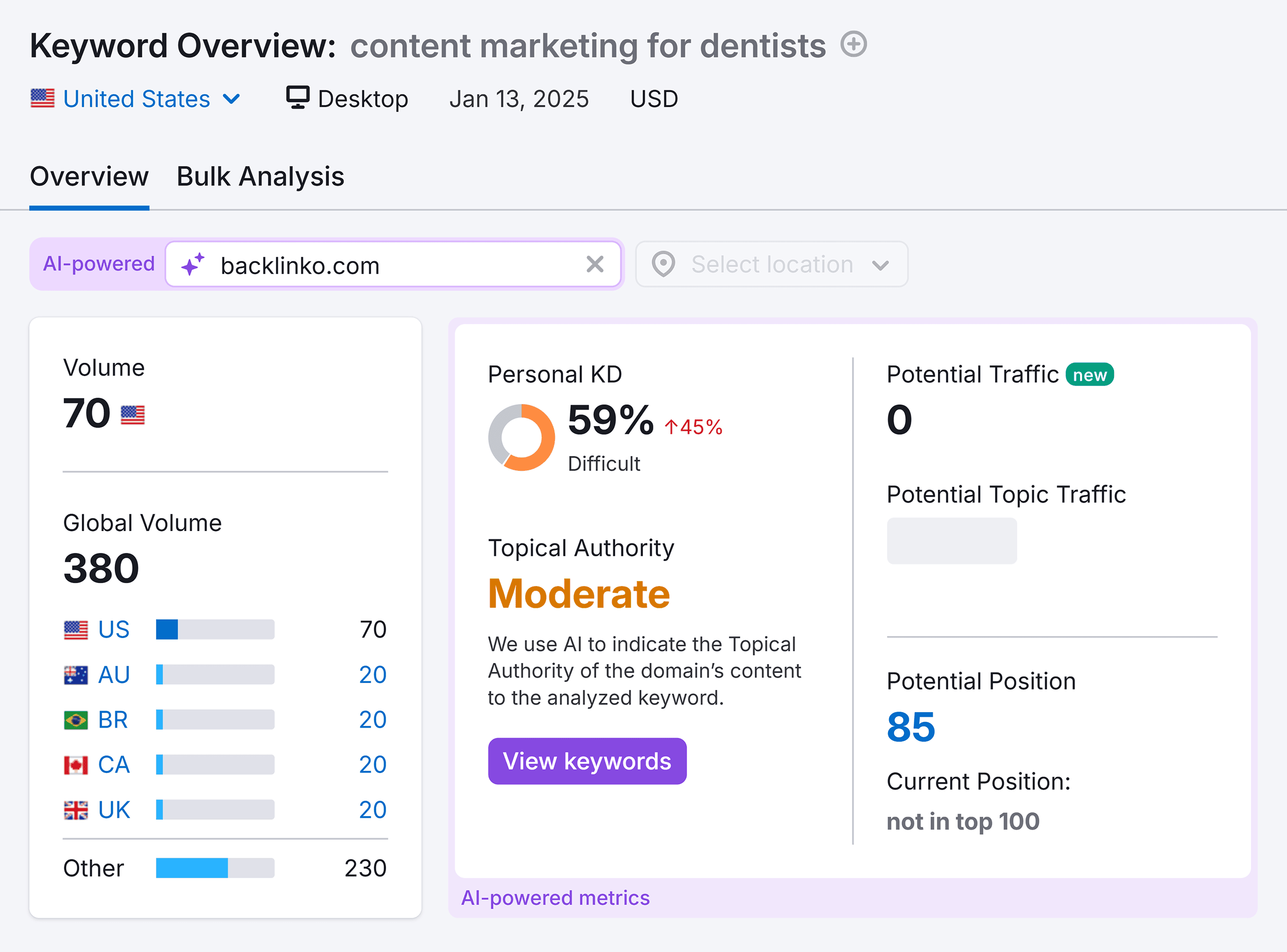
Tools can save time and give better insights.
Popular ones:
- Google Keyword Planner
- Ubersuggest
- Ahrefs / SEMrush
They help you find:
- Search volume
- Competition
- Keyword ideas
9. Group Keywords Smartly
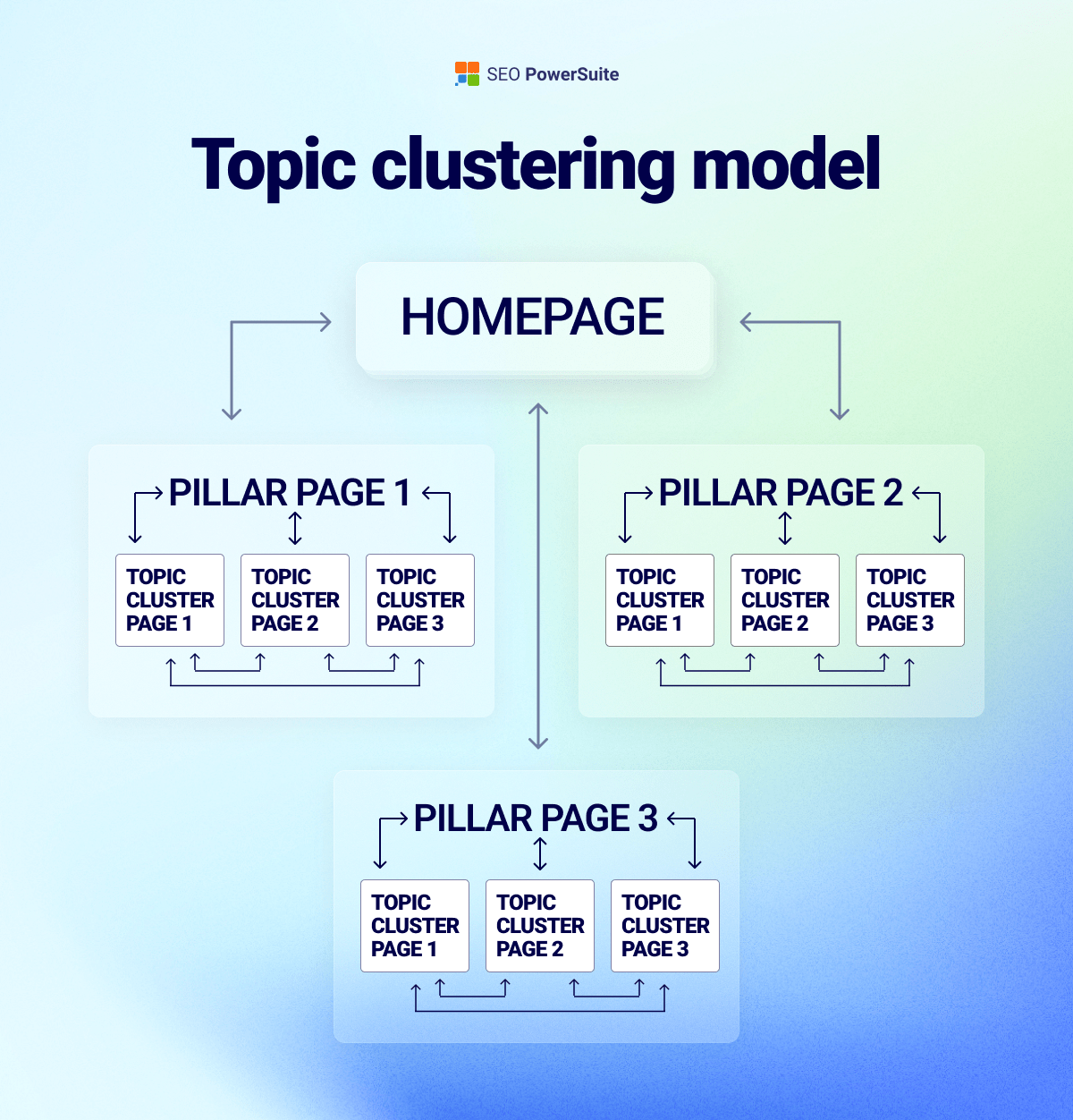
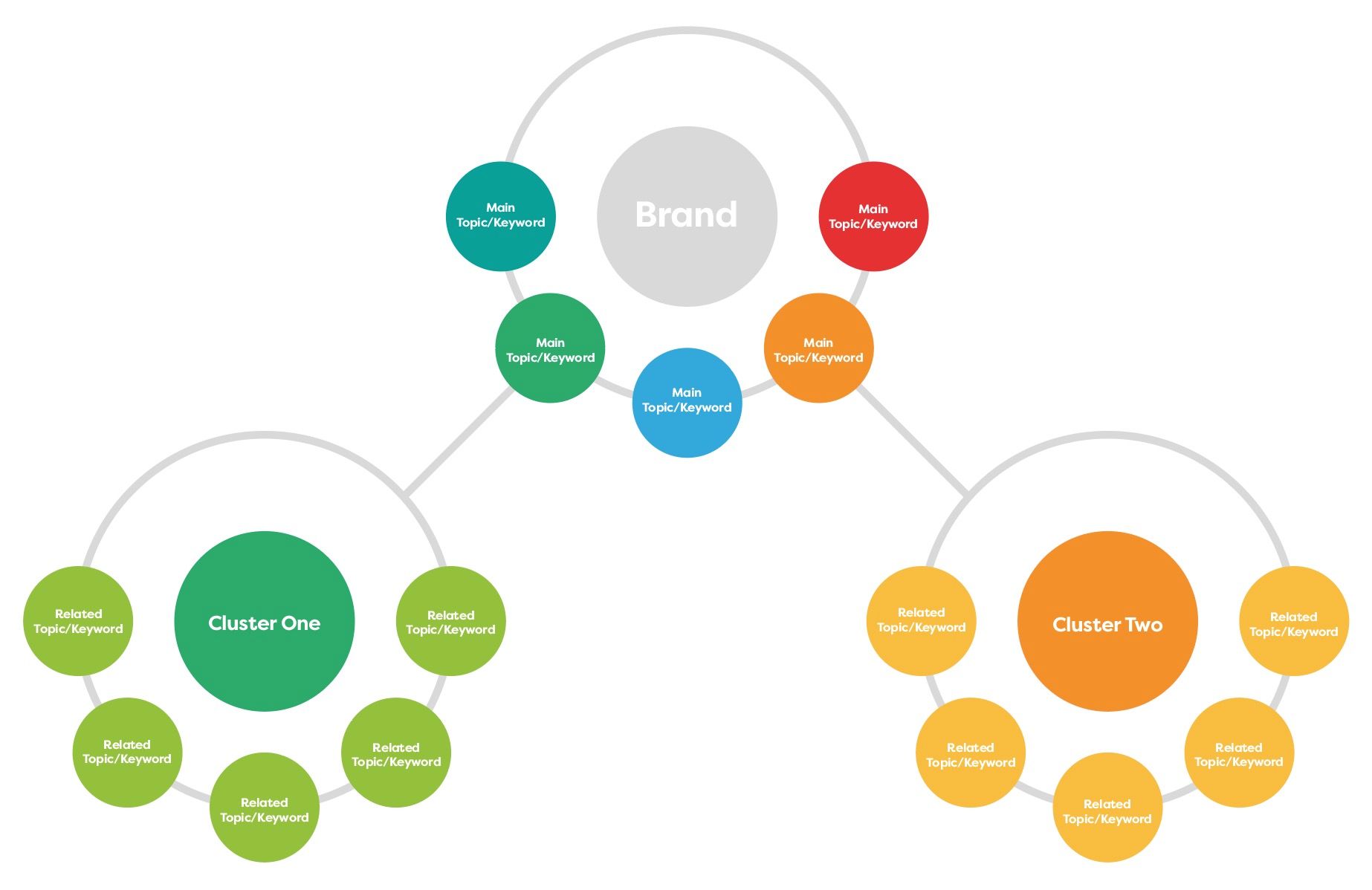
Instead of targeting one keyword per post, group related keywords.
Example:
Main keyword → Keyword research guide
Related → SEO keywords, keyword tools, long-tail keywords
This helps you rank for multiple keywords with one post.
10. Use Keywords Naturally in Content

Once you have your keywords, use them naturally.
Best places:
- Title
- Introduction
- Headings
- Throughout content
👉 Avoid keyword stuffing. Write for humans first, SEO second.
Keyword Research Workflow (Simple Overview)
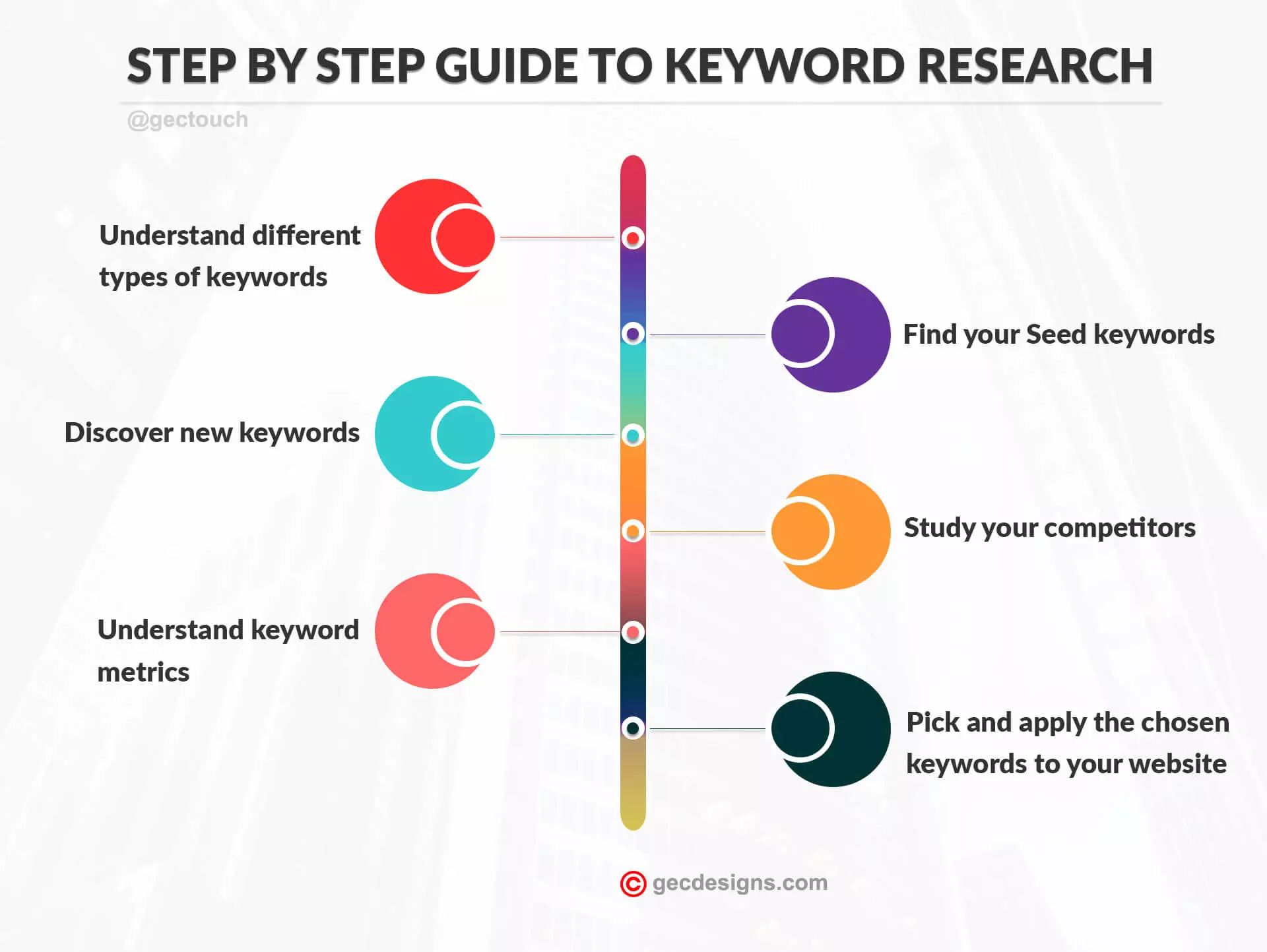
This is how everything connects — from finding keywords to creating content.
Final Thoughts
Keyword research is not about finding random keywords — it’s about understanding your audience and creating content that matches what they’re searching for.
Once you get this right, everything becomes easier:
- Content performs better
- Rankings improve
- Traffic grows consistently
Take your time, practice these steps, and you’ll start seeing real results.
Importance of Keyword Research in SEO


Keyword research is one of the most important parts of SEO because it helps you understand what your audience is actually searching for. Without proper keyword research, creating content becomes more like guessing, and even well-written articles may fail to rank. When you choose the right keywords, your content becomes more relevant, targeted, and easier for search engines to understand.
It also plays a key role in bringing the right type of traffic to your website. Instead of attracting random visitors, keyword research helps you reach users who are genuinely interested in your content, products, or services. This improves engagement, increases time spent on your site, and boosts overall performance.
Another important benefit is that it helps you stay competitive. By analyzing keywords and understanding what others in your niche are targeting, you can find opportunities where competition is lower and ranking is easier. Over time, this builds a strong SEO foundation and helps your website grow consistently in search results.