
What Is SEO? Intro Search Engine Optimization
What Is SEO?
SEO stands for search engine optimization. It is the process of making your website more visible in search engine like Google without paying for ads.
SEO is sometimes called SEO marketing, SEO optimization, or organic search marketing. It can help you earn organic (unpaid) rankings like this:
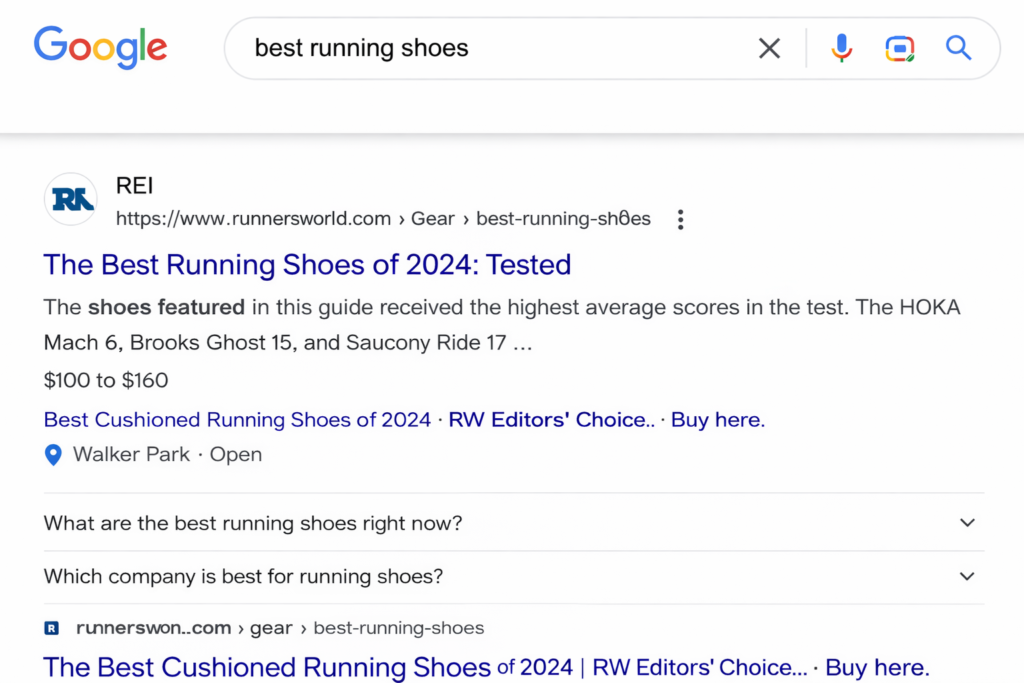
As a result, you can gain more brand awareness and traffic.
SEO involves making your site more appealing to both users and search engines.
The four main elements in a well-rounded SEO strategy are:
- Keyword Research: Finding out what your target audience searches for
- On-Page SEO: Optimizing webpages and their content
- Off-Page SEO: Getting other sites to link to your site, which can boost its reputation
- Technical SEO: Improving your site’s overall performance and accessibility
You will learn more about these elements later.
Note
The term “SEO” can also refer to a person, such as a “search engine optimization expert” or similar.
Why Is SEO Important?
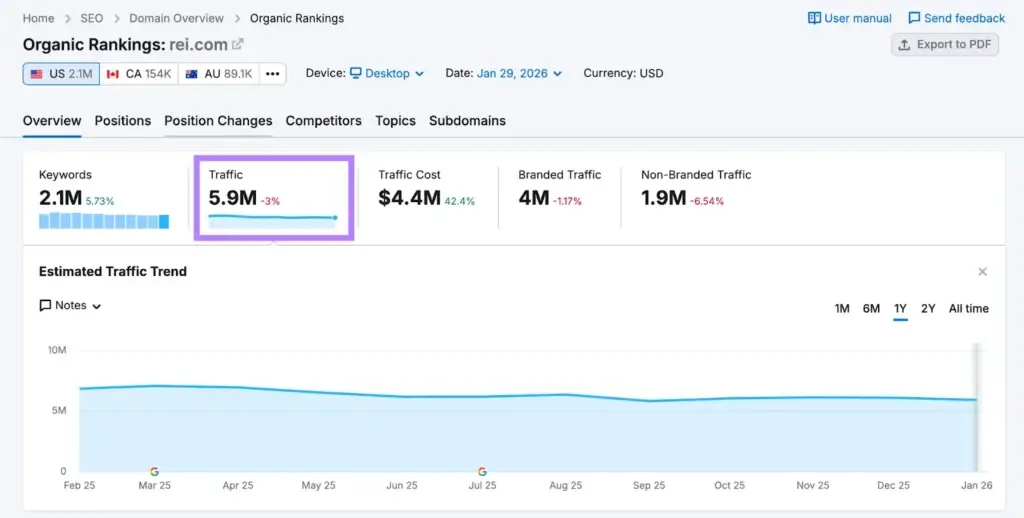
Search Engine Optimization (SEO) plays a crucial role in the success of any website in today’s digital landscape. It is not just about ranking higher on search engines—it is about increasing visibility, building trust, and driving long-term growth.
Key Points
- Increases Organic Traffic
Brings free visitors from Google search. - Builds Trust & Credibility
Higher ranking = more trust from users. - Improves User Experience
Makes your website fast and mobile-friendly. - Long-Term Results
Works continuously without paid ads. - Targets the Right Audience
Reaches people actively searching for your content.
A higher ranking typically translates into more impressions and a better click through rate .
Since website SEO improves the user experience, it can also lead to better engagement and conversion rates, plus increased traffic from other sources—not just search engines.
Ultimately, SEO can deliver a good return on investment.
How Does SEO Work?
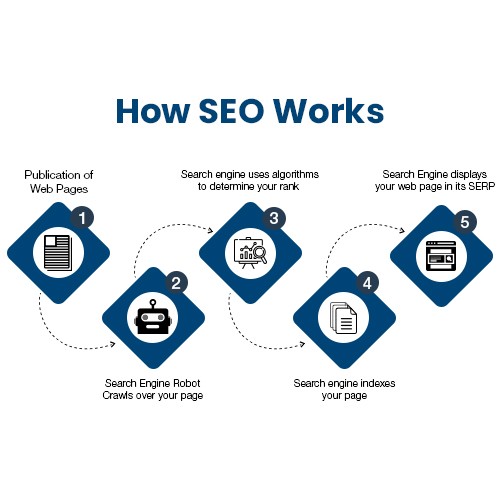
SEO works by helping search engines discover, understand, and rank your website content. When a user searches for something on Google, search engines first crawl the web using bots to find new and updated pages. Then, they index these pages by storing and organizing the information in their database. Finally, they rank the pages based on relevance, quality, and user experience to show the most useful results at the top. By optimizing your content, keywords, and website structure, SEO ensures that your website performs better in this process and appears higher in search results.
Search Engine Marketing vs. Search Engine Optimization
Search engine marketing (SEM) promotes a business through unpaid or paid results on search engines, often both.
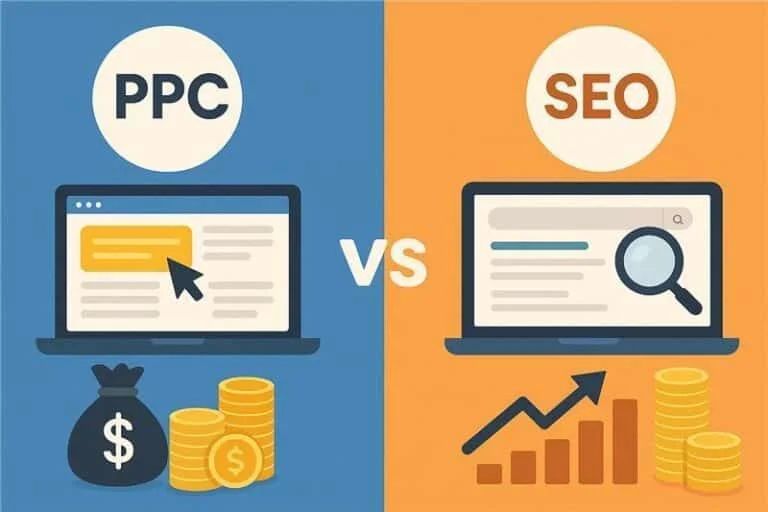
- SEO is the process of optimizing your website to rank higher in the “organic” (non-paid) search results. It involves improving site speed, creating high-quality content, and building authority so that search engines like Google view your site as the best answer for a user’s query.
- PPC (Pay Per Click)is a digital advertising model where businesses pay a fee each time one of their ads is clicked. Instead of waiting for organic growth, you bid on specific keywords to “buy” a top position on the search engine results page, giving you instant visibility to potential customers.
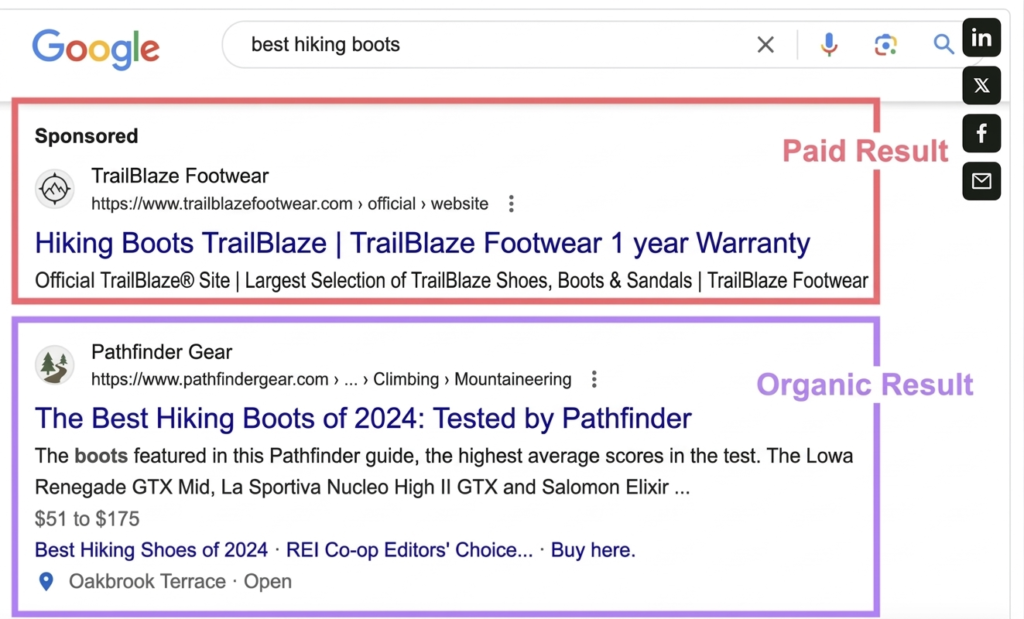
PPC can give you immediate visibility for high-value keywords, whereas SEO can take weeks or months to show results.
However, organic results tend to have higher click-through rates because users often trust them more than ads. Organic results can also generate sustained traffic at little to no ongoing cost.
Types of SEO
Here are some of the most important types of search engine optimization marketing:
On-Page SEO
On-page SEO is the process of optimizing webpages to improve their search visibility. It focuses largely on using keywords effectively.
Keywords are relevant search terms you want the page to rank for. They help show search engines and users that your content is relevant to their search.
Incorporating your keywords into the body content and the following locations when it is natural to do so is best practice:
- Title tag: The HTML page title that can appear in SERPs
- Meta description: The HTML page summary that can appear in SERPs
- H1 tag: The HTML element that contains the on-page title
- Subheading tags: HTML tags that contain subheadings (H2s, H3s, etc.)
- Alt text: HTML image descriptions
- URL slug: The unique part of the webpage address
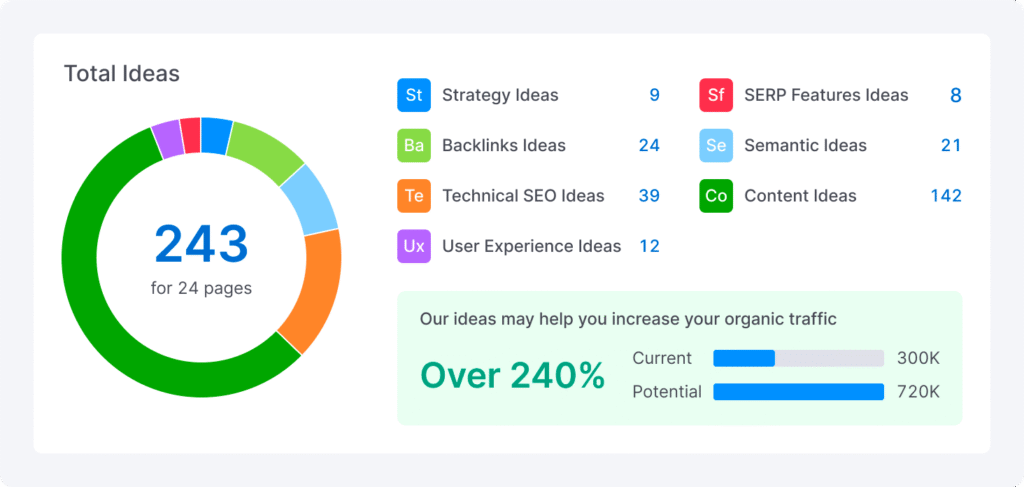
Avoiding keyword stuffing—forcing in keywords where they do not belong—is also important because Google considers this a spammy practice. Violating Google’s spam policies can lead to a penalty that harms your search visibility.
Off-Page SEO
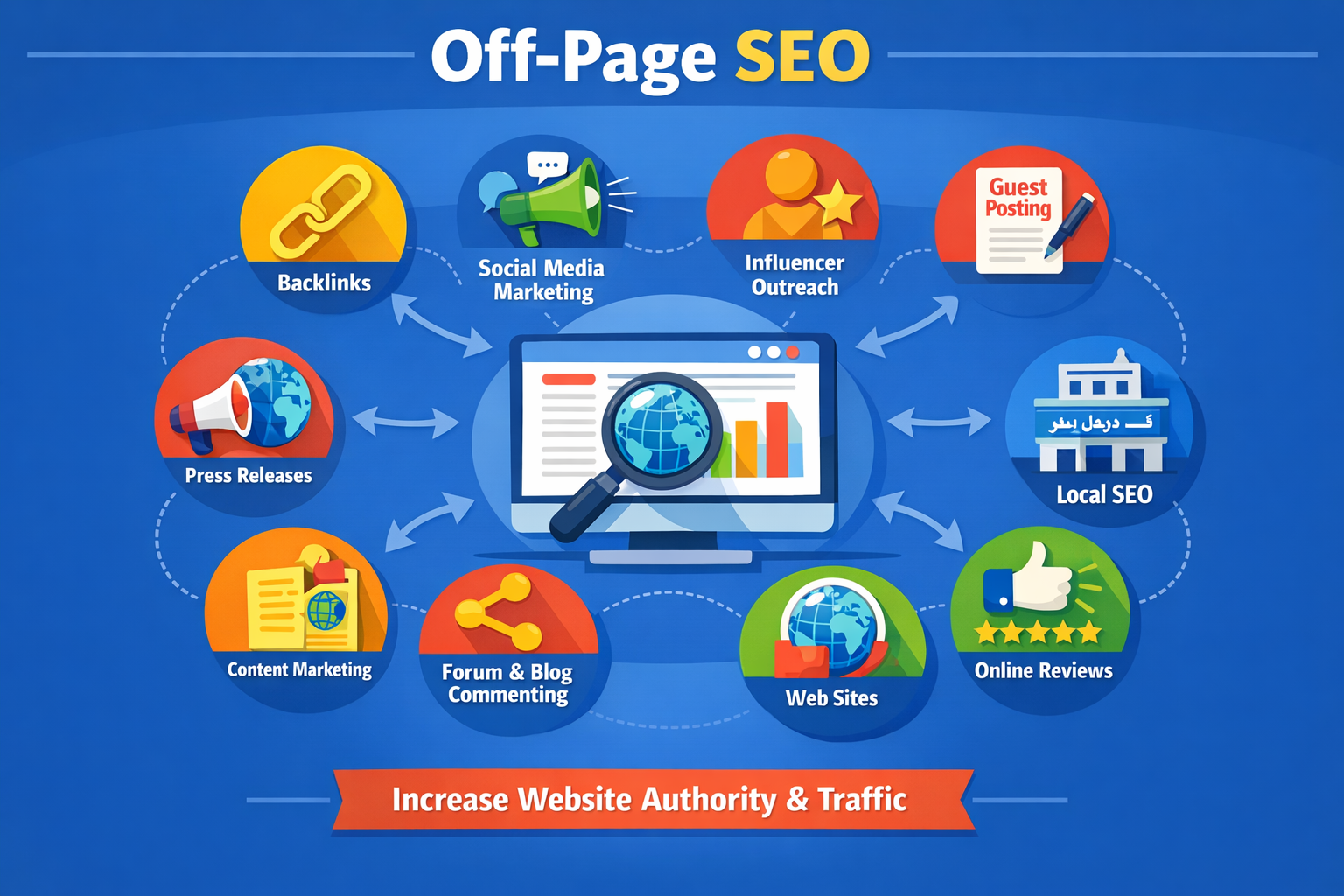
Off-page SEO refers to actions you can take outside of your website to improve its search visibility.
It most commonly involves link building, which is the process of getting other high-quality websites to link to your website.
These links are called backlinks, and they can help your SEO by signaling that your website is useful and trustworthy.
Technical SEO
Technical SEO involves improving the technical aspects of your website to enhance its search visibility.
Ensuring that search engines can crawl and index your website properly is the most important aspect of technical SEO. This may involve:
- Using meta robots tags and robots.txt to control the behavior of search engine bots
- Creating an XML sitemap to help search engines understand your site structure
- Building internal links to assist search bots and users in navigating your site
After ensuring proper crawling and indexing, focus on user experience factors such as page speed, website security, and mobile-friendliness.
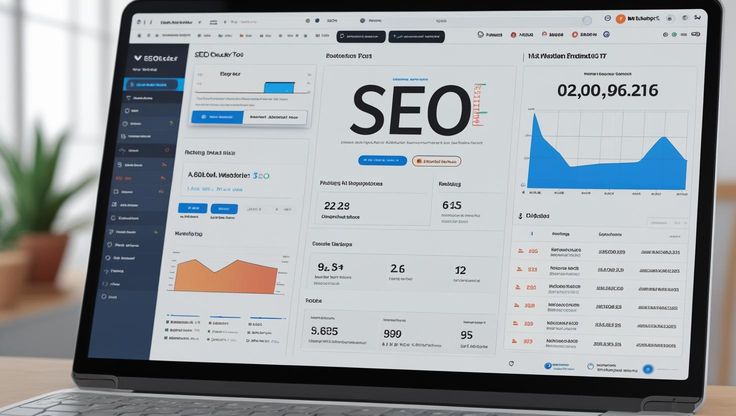
Image SEO
Image SEO is the process of optimizing images on your website to make them appear more prominently in search results and enhance your overall SEO performance.
For example, image optimization can help you gain exposure like this:
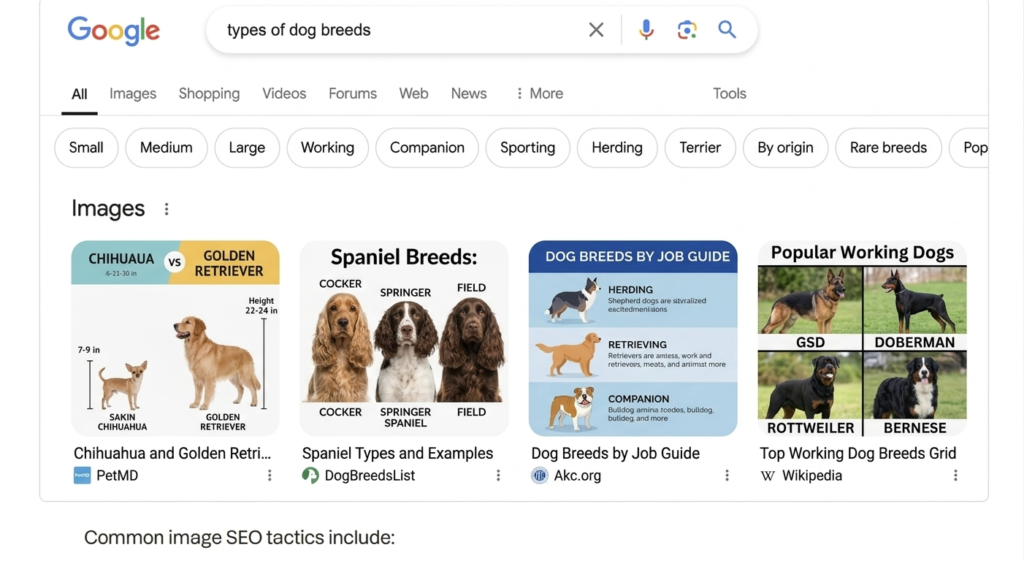
Common image SEO tactics include:
- Resizing and compressing images to improve page load speed
- Adding alt text (HTML image descriptions) to help search engines and users with screen readers understand what images depict
- Ensuring images are visually appealing and useful to your audience
According to data from September 2024, Google displays images in the top 20 results for over half of U.S. SERPs. Many users also go directly to Google Images.
Therefore, image SEO provides a significant opportunity to drive traffic to your website.
Video SEO
Video SEO is the process of creating and optimizing videos for maximum visibility in search results. This includes results on search engines like Google and video platforms like YouTube.
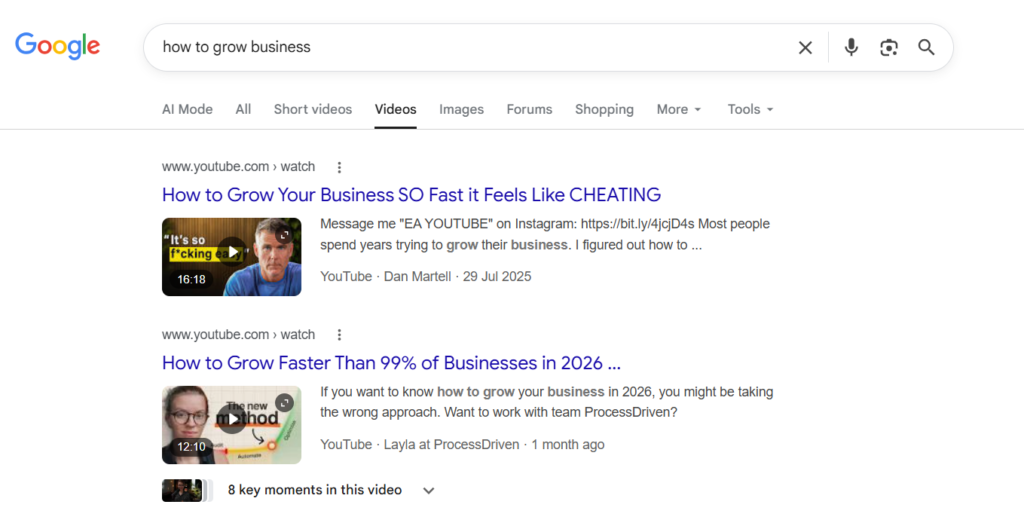
Common video SEO tactics include:
- Performing YouTube keyword research to discover what videos users search for
- Adding keywords to your video title and description
- Using schema markup to help search engines understand embedded videos
Local SEO
Local SEO is the process of improving your visibility in location-based search results.
For example, when someone searches “outdoor store near me” or “[CITY] outdoor store”:
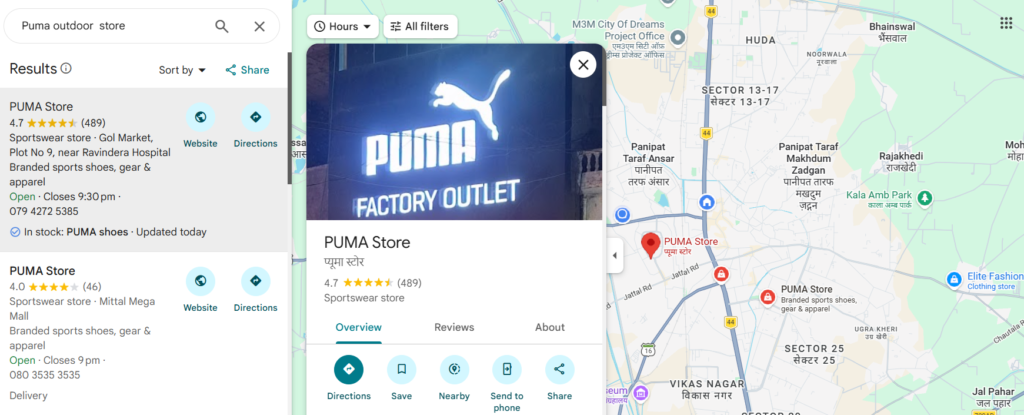
Local SEO is important if you serve customers in a specific area or have brick-and-mortar locations people can visit.
One of the most important factors in local SEO is optimizing your Google Business Profile because Google evaluates and ranks profiles (rather than webpages) in map-based results.
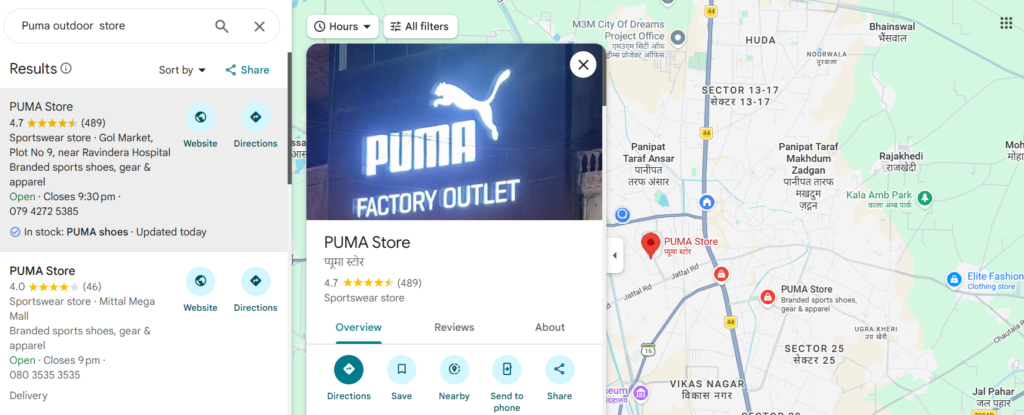
Other tactics include:
- Listing your business in online directories
- Encouraging and responding to Google reviews
- Publishing localized content on your website