
Technical SEO Guide: Complete Step-by-Step Optimization for Beginners (2026)
What Is Technical SEO?
[Insert Image Here: technical SEO diagram or website backend illustration at start]
Technical SEO refers to the process of optimizing your website and server so that search engine spiders can crawl and index your site more effectively. It is called “technical” because it has nothing to do with the actual content of the page or website promotion. Instead, it focuses on the infrastructure.
Think of your website as a house. Content and backlinks are the furniture and paint, but technical SEO is the foundation. Without a solid foundation, the house collapses. Key elements include site speed, mobile-friendliness, indexing, crawlability, and site architecture.
- Ensures search engines can access your site.
- Improves website speed and performance.
- Secures your site data for users.
[Insert Image Here: technical SEO diagram or website backend illustration at end]
Why Is Technical SEO Important?
[Insert Image Here: SEO growth chart / ranking improvement graph]
You can write the best content in the world, but if search engines cannot find, read, or understand it, your pages will never rank. Technical SEO acts as the bridge between your high-quality content and Google’s ranking algorithms.
By fixing technical errors, you remove roadblocks. This leads to better crawling efficiency, higher indexation rates, and ultimately, significant boosts in organic traffic. It also directly impacts user experience (UX); a fast, secure, mobile-friendly site keeps users engaged longer.
What Is Technical SEO?
[Insert Image Here: technical SEO diagram or website backend illustration at start]
Technical SEO refers to the process of optimizing your website and server so that search engine spiders can crawl and index your site more effectively. It is called “technical” because it has nothing to do with the actual content of the page or website promotion. Instead, it focuses on the infrastructure.
Think of your website as a house. Content and backlinks are the furniture and paint, but technical SEO is the foundation. Without a solid foundation, the house collapses. Key elements include site speed, mobile-friendliness, indexing, crawlability, and site architecture.
- Ensures search engines can access your site.
- Improves website speed and performance.
- Secures your site data for users.
[Insert Image Here: technical SEO diagram or website backend illustration at end]
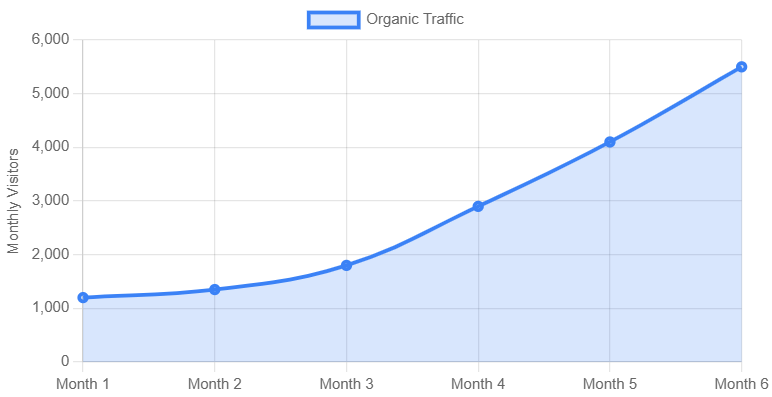
Interactive Chart: Simulated Traffic Growth (Post-Technical SEO Fixes)
[Insert Image Here: SEO growth chart / ranking improvement graph]
Understanding Crawling and How to Optimize for It
[Insert Image Here: Google bot crawling website illustration]
Crawling is the discovery process. Search engines send out teams of robots (known as crawlers or spiders) to find new and updated content. Content can vary — it could be a webpage, an image, a video, or a PDF — but regardless of the format, content is discovered by links.
To optimize for crawling, you must ensure your internal linking structure is strong. Bots use links to travel from page to page. If a page has no links pointing to it (an “orphan page”), the crawler cannot find it. Use your robots.txt file wisely to direct bots away from useless backend pages, saving your “crawl budget” for your money pages.
[Insert Image Here: Google bot crawling website illustration]
Submit Your Sitemap to Google
[Insert Image Here: XML sitemap example or Google Search Console screenshot]
An XML sitemap is a file that lists all the important pages on your website. It acts as a roadmap for search engines, helping them navigate your site and understand its structure quickly, especially if your internal linking isn’t perfect yet.
Creating one is easy using modern CMS plugins (like Yoast or RankMath). Once generated, you must submit it to Google Search Console (GSC). This directly pings Google, saying, “Here are all my pages, please crawl them.”
- Ensure it only contains 200 OK URLs.
- Update it dynamically when new posts are published.
[Insert Image Here: XML sitemap example or Google Search Console screenshot]
Understanding Indexing and How to Optimize for It
[Insert Image Here: indexing process diagram]
Once a crawler finds a page, it tries to understand what the page is about. This process is called indexing. The search engine analyzes the text, images, and video files, and stores this information in the Google Index, a massive database.
Optimization here means ensuring bots can actually read your content. Avoid hiding text inside images or complex JavaScript that bots struggle to render. Use the URL Inspection tool in Google Search Console to test if Google can properly see and index your live pages.
[Insert Image Here: indexing process diagram]
Create an SEO-Friendly Site Architecture
[Insert Image Here: website structure diagram]
Site architecture is the way your website’s pages are organized and connected. A good structure helps users find what they want and helps search engines understand the topical relevance of your site. You should aim for a “flat” architecture.
In a flat architecture, it takes only 3 to 4 clicks to reach any page from the homepage. This ensures link equity (ranking power) flows easily throughout the site. Use clear category pages and breadcrumb navigation to build this logical hierarchy.
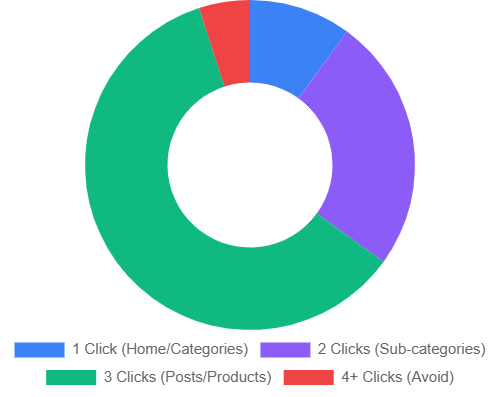
Interactive Chart: Ideal Link Depth Distribution (Max 3 Clicks)
[Insert Image Here: website structure diagram]
URL Structure Optimization
[Insert Image Here: SEO-friendly vs bad URL comparison]
URLs are the building blocks of your site architecture. An SEO-friendly URL is easy to read for both humans and search engines. It should describe the content of the page concisely.
- Keep it short: Shorter URLs tend to rank better.
- Use keywords: Include your primary target keyword.
- Use hyphens: Separate words with hyphens (my-page), not underscores (my_page).
- Avoid numbers/dates: This prevents URLs from becoming outdated quickly.
[Insert Image Here: SEO-friendly vs bad URL comparison]
Use the Noindex Tag Carefully
[Insert Image Here: meta tag or HTML code example]
Not every page on your site should be in Google’s search results. Admin login pages, thank-you pages, and thin category tags can clutter your index and waste crawl budget. To fix this, we use the “noindex” meta tag.
Placed in the <head> of your HTML, it tells search engines: “You can crawl this, but do not show it in search results.” Use it carefully! Accidentally placing a noindex tag on a high-traffic money page will cause it to vanish from Google overnight.
[Insert Image Here: meta tag or HTML code example]
Implement Canonical Tags Where Needed
[Insert Image Here: duplicate URL vs canonical URL diagram]
Duplicate content confuses search engines. If you have three URLs showing the exact same product (e.g., filtered by color, size, and default), Google doesn’t know which one to rank. The canonical tag solves this.
A canonical tag specifies the “master” or primary version of a webpage. By placing a rel=”canonical” link on the duplicate pages pointing to the master page, you consolidate all ranking signals and link juice into that single, preferred URL.
[Insert Image Here: duplicate URL vs canonical URL diagram]
Core Web Vitals (LCP, CLS, INP)
[Insert Image Here: Core Web Vitals metrics graph]
Core Web Vitals are a set of specific factors that Google considers highly important in a webpage’s overall user experience. They are an official ranking signal. The three main pillars are:
- LCP (Largest Contentful Paint): Measures loading performance. The main content should load within 2.5 seconds.
- CLS (Cumulative Layout Shift): Measures visual stability. Elements should not jump around as the page loads (aim for a score < 0.1).
- INP (Interaction to Next Paint): Measures interactivity responsiveness. When a user clicks a button, the page must react quickly (under 200ms).
Optimization Tips: Compress and resize all images. Implement lazy loading for images below the fold. Minify CSS and JavaScript files to reduce execution time. Utilize a Content Delivery Network (CDN) to serve assets faster globally.
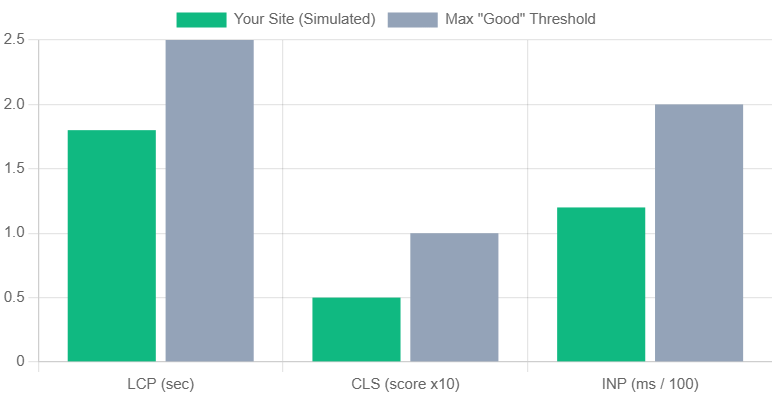
Interactive Chart: Target Thresholds for Good Web Vitals
[Insert Image Here: Core Web Vitals metrics graph]
Mobile Friendliness
[Insert Image Here: responsive website design on mobile & desktop]
Google utilizes mobile-first indexing. This means it predominantly uses the mobile version of the content for indexing and ranking. If your site looks great on desktop but breaks on a smartphone, your rankings will tank.
Ensure you use responsive web design. Buttons must be easily clickable with a thumb, text must be readable without zooming, and horizontal scrolling is strictly forbidden. Test your URLs using mobile usability tools.
[Insert Image Here: responsive website design on mobile & desktop]
Broken Links & Fixes
[Insert Image Here: 404 error page or broken link example]
Clicking a link and hitting a 404 Error page is a terrible user experience. It also stops search engine crawlers dead in their tracks, wasting your crawl budget. Regular maintenance is required.
Use tools to scan your site for broken internal and external links. When you find a 404 page, either restore the content or implement a 301 Redirect to point that old URL to the most relevant live page on your site.
[Insert Image Here: 404 error page or broken link example]
HTTPS & Security
[Insert Image Here: secure lock icon or HTTPS browser bar]
HTTPS (Hypertext Transfer Protocol Secure) encrypts the data sent between a user’s browser and your website. It protects sensitive information like passwords and credit card details.
Google has explicitly stated that HTTPS is a lightweight ranking factor. In 2026, browsers will prominently flag any non-HTTPS site as “Not Secure,” destroying user trust. Obtain an SSL certificate from your host immediately.
[Insert Image Here: secure lock icon or HTTPS browser bar]
Technical SEO Tools
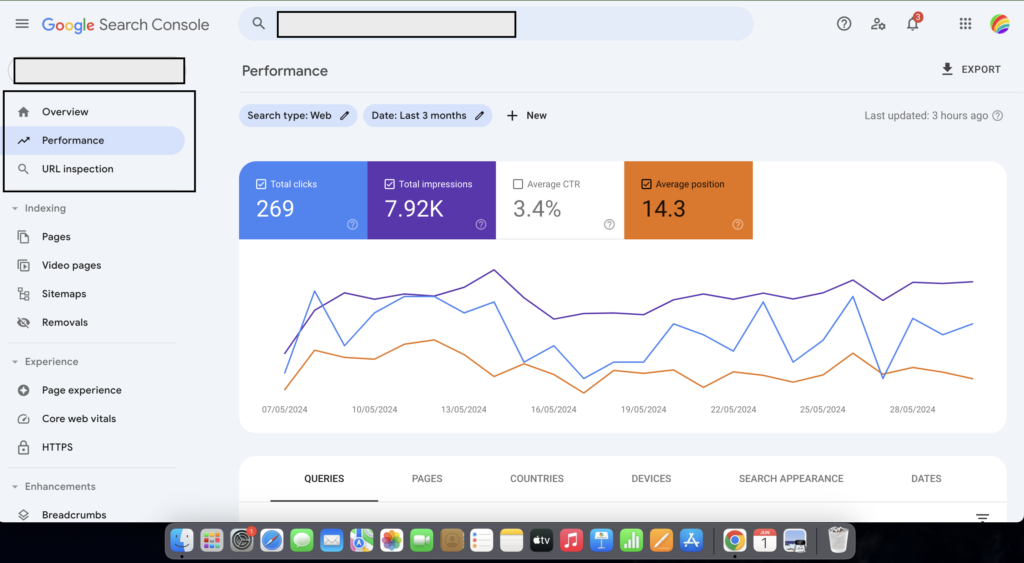
[Insert Image Here: tools dashboard like Google Search Console, PageSpeed Insights]
There are many tools to help with technical SEO audits and monitoring. Key ones include:
- Google Search Console (GSC): A free must-have tool. GSC shows how Google sees your site – index status, search queries, click-through rates, and issues. For example, it provides actual search queries driving traffic and reports “index coverage” issues and Core Web Vitals metrics. You can also submit sitemaps and check mobile-friendliness here.
- PageSpeed Insights / Lighthouse: Google’s free performance testing tools measure Core Web Vitals and provide suggestions. Input a URL to get LCP, CLS, and INP scores along with optimization tips. (Other speed tools like GTmetrix or WebPageTest offer similar insights.)
- Site Crawlers (Screaming Frog, Sitebulb, SEMrush, Ahrefs): These tools crawl your site like a search bot, reporting broken links, duplicate titles, missing tags, and more. They are essential for large sites.
- Mobile-Friendly Test: Google’s Mobile-Friendly Test analyzes a URL to see if it meets mobile usability standards (font sizes, viewport setup, tap targets, etc.).
- SSL Checkers: Online tools can verify your SSL certificate setup and look for mixed content issues.
- Server Logs and Analytics: Analyzing server logs can reveal crawl behavior; Google Analytics helps spot traffic drops that may indicate technical issues.
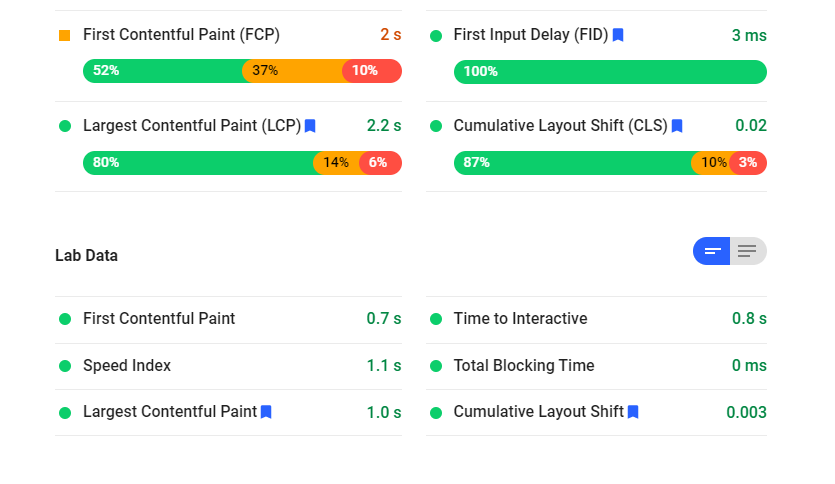
By regularly running these tools, you can catch and fix technical issues quickly. For instance, the Core Web Vitals report in GSC highlights pages needing speed fixes, and site crawlers flag duplicate content or missing metadata.
[Insert Image Here: tools dashboard like Google Search Console, PageSpeed Insights]
Technical SEO Checklist
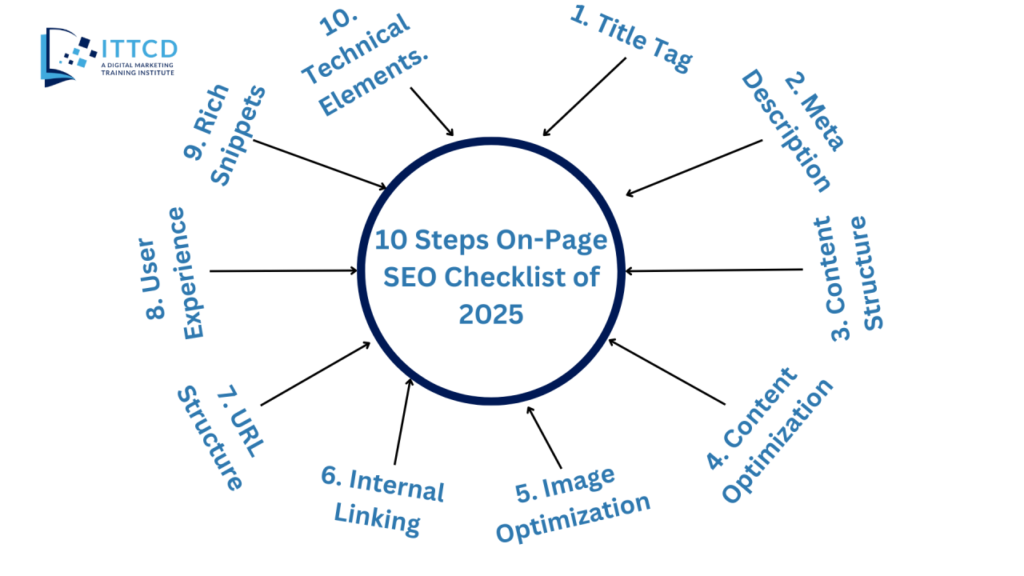
[Insert Image Here: checklist infographic]
Use this checklist to ensure nothing falls through the cracks:
- Crawlability: Index your site in Google Search Console. Verify robots.txt is correct (disallow nothing critical) and all important pages are reachable by links.
- Sitemap: Create and submit an up-to-date XML sitemap in GSC. Check for sitemap errors regularly.
- Indexing: Verify key pages are indexed (use
site:yourdomain.comand GSC “Coverage”). Remove any unwantednoindextags or fix canonical issues. - Speed and Core Web Vitals: Run PageSpeed Insights on major pages. Aim for LCP <2.5s, INP <200ms, CLS <0.1. Optimize images, scripts, and server response time as needed.
- Mobile Usability: Test pages with Google’s Mobile-Friendly Tool. Ensure responsive design, legible fonts, and tap targets on all pages.
- Security (HTTPS): Ensure your entire site uses HTTPS with no mixed content. Look for the lock icon. If not present, install/renew an SSL certificate and redirect HTTP → HTTPS.
- URL and Metadata: Use clean, hyphenated URLs (lowercase, minimal parameters). Check that titles and meta descriptions are unique and optimized for all pages.
- On-Page Essentials: Although not strictly “technical,” ensure each page has a unique title, meta description, and heading tags. Include structured data where applicable to help Google understand content.
- Link Health: Identify broken internal/external links with a crawler or GSC and update or redirect them.
- Canonical and Noindex: Set canonical tags on duplicates and use
noindexon pages you don’t want in search (e.g. login, thank-you pages). - Core Web Vitals: Regularly monitor the Core Web Vitals report in Search Console to catch regressions. Aim for all key pages in the “Good” range.
By running through this checklist periodically, you’ll keep your site technically sound. As one SEO guide summarizes, performing these tasks (site structure, sitemaps, noindex/canonicals, etc.) “should get your pages crawled and indexed” – which is the first step to ranking well.
[Insert Image Here: checklist infographic]
Frequently Asked Questions:
- What’s the difference between technical SEO and on-page SEO?
Technical SEO deals with site architecture and backend factors (crawling, indexing, site speed), while on-page SEO focuses on content optimization (keywords, headings, meta tags). Both are important, but technical SEO ensures your content can be found and understood by search engines. - How do I know if Google has indexed my pages?
Use the Google search operatorsite:yourdomain.comto see how many results appear (rough estimate). For specific pages, use Google Search Console’s URL Inspection or Coverage report, which shows indexed vs. excluded pages. - What should I include in my XML sitemap?
List all important, canonical URLs of your site (usually all pages you want ranked). Exclude pages taggednoindexor blocked by robots.txt. Many sites auto-generate this; just ensure it’s accessible (e.g. at/sitemap.xml) and error-free. - How often should I run a technical SEO audit?
It’s good practice to audit monthly or after major site changes (new design, platform migrations). Regular checks (e.g. using an automated tool or Google Search Console) help catch issues early before they impact rankings. - Does HTTPS really affect rankings?
Yes, Google confirmed HTTPS is a ranking signal since 2014. While it’s a minor factor, HTTPS is also vital for user trust and security. A secure site (HTTPS with a valid certificate) is strongly recommended for any modern website.